Table of Contents
- Introduction
- The Symphony of the Feline Hunter: Decoding the Vocalization
- Instinctual Roots: Echoes of the Wild
- The Maternal and Paternal Connection: Nurturing Through Play
- Communication and Attention: "Look at Me!"
- Practical Considerations: The Toy Itself
- Enhancing Your Cat's Life with Skimys
- Conclusion
- FAQ
Introduction
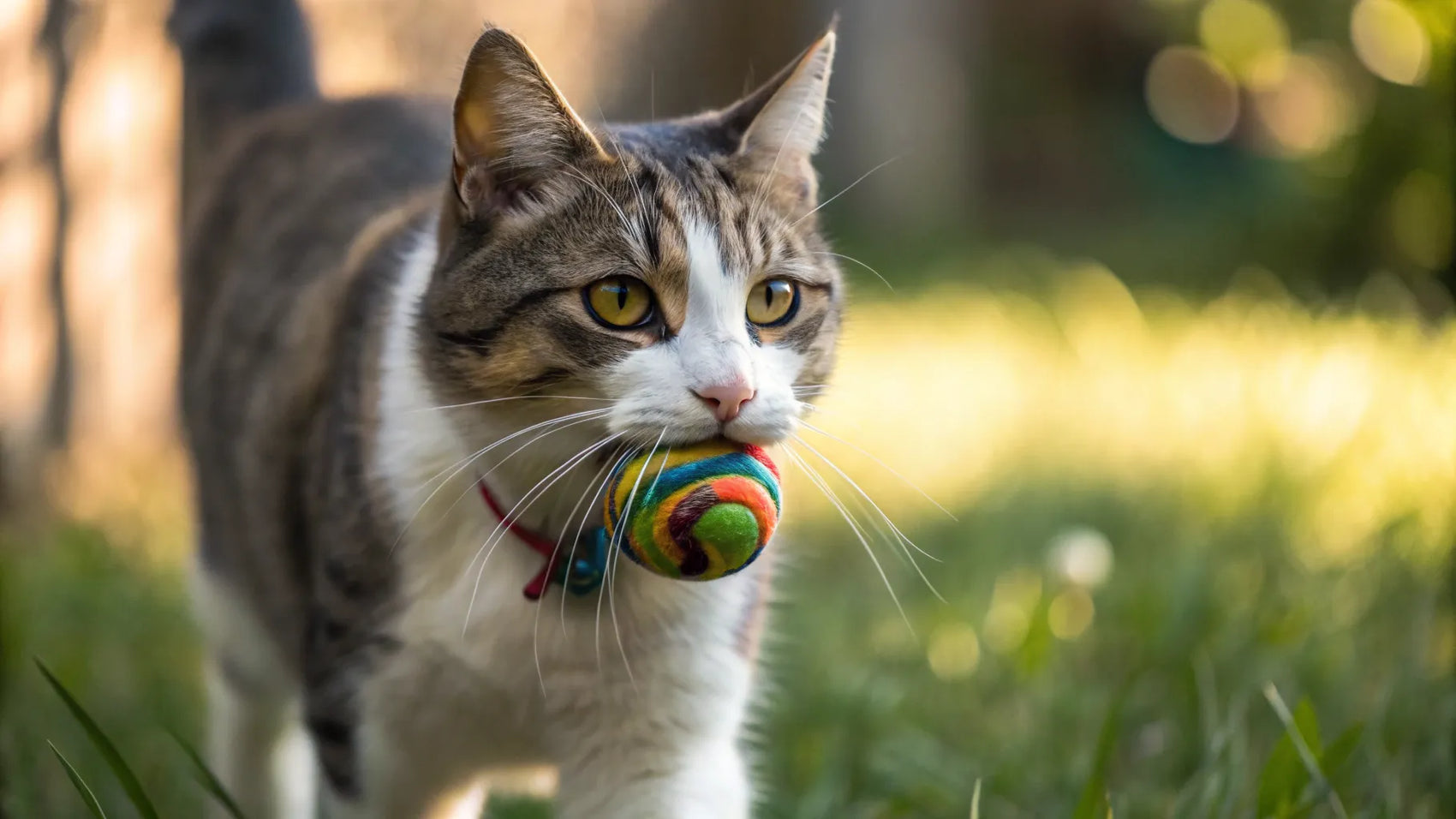
Picture this: it’s late at night, the house is quiet, and suddenly, a distinctive, almost mournful yowl echoes from another room. You rush to investigate, only to find your beloved feline proudly parading a favorite toy, still vocalizing with that peculiar, haunting sound. If this scenario sounds familiar, you’re not alone! Many cat parents have experienced this unique and often perplexing behavior. This specific vocalization, often described as a yowl, moan, or chattering, while carrying a toy, is a fascinating aspect of feline communication that leaves many of us wondering, "What exactly is my cat trying to tell me?"
At Skimys, we understand that life with pets is full of delightful mysteries and occasional head-scratchers. Our mission is to make life with pets easier, cleaner, and way more fun, and that includes helping you understand your curious companions. We believe in offering products that are functional, durable, design-forward, and joyful, avoiding overpriced or boring options. Every product we offer is tested by our own pets, ensuring real-world usability and cat-approved durability. This post will dive deep into the many reasons why your cat might meow with a toy in their mouth, exploring everything from deep-seated instincts to playful pleas for attention. By the end, you’ll have a clearer understanding of this behavior and practical ways to respond, enhancing your bond and ensuring your cat feels happy and understood. Ready to treat your cat to something new and explore their playful side? Explore our Cat Toys Collection and discover playtime favorites.
The Symphony of the Feline Hunter: Decoding the Vocalization
Before we delve into the "why," let's truly appreciate the "how." The meow your cat produces when carrying a toy is often distinctly different from their everyday "feed me" or "pet me" chirps. It can range from a low, drawn-out moan to a series of sharp, almost chirping sounds, or even a full-blown yowl that seems to carry a deep emotional resonance. This particular vocalization is a key clue to what might be going on in your cat's mind.
Cats are incredibly expressive creatures, and their vocalizations are a rich tapestry of communication. When they add a toy to the mix, it elevates the message to a whole new level. Sometimes, this vocalization might sound like distress, leading us to believe our feline friend is upset. However, more often than not, it's quite the opposite! They might be signaling triumph, seeking interaction, or simply expressing a deep-seated instinct. Understanding the nuances of these sounds, combined with their body language and the context of the situation, can help us decipher their true intentions. For instance, a soft, chirpy meow might indicate a playful offering, while a louder, more sustained yowl could signify a stronger instinctual drive or a greater need for attention. Paying close attention to these details can transform a puzzling behavior into a beautiful moment of connection.
Instinctual Roots: Echoes of the Wild
At the heart of many feline behaviors lies a strong connection to their wild ancestry. Despite being pampered house pets, our cats retain many instincts from their days as apex predators. The act of carrying a toy and vocalizing is a clear manifestation of these ingrained urges.
Mimicking Prey Capture and the "Trophy" Display
One of the most compelling theories behind this behavior is that your cat is mimicking a successful hunt. In the wild, after a catch, a cat might vocalize to announce their triumph, particularly if they are bringing prey back to a den or to teach their young. When your domestic cat captures a toy, especially one that resembles a mouse or bird, they might be re-enacting this ancient ritual. The meow, yowl, or chirping sound becomes their victory cry, a declaration of their hunting prowess.
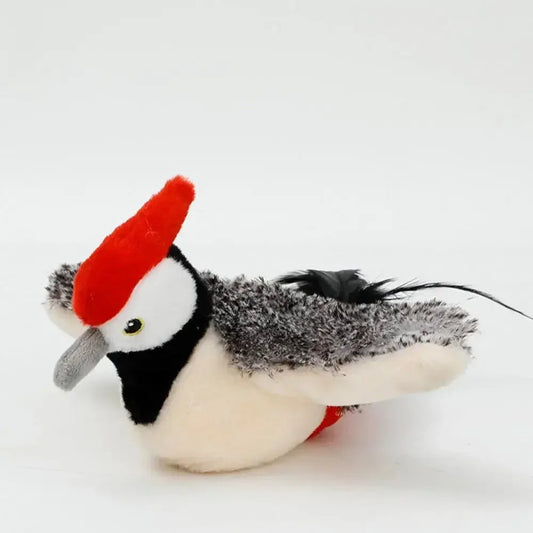
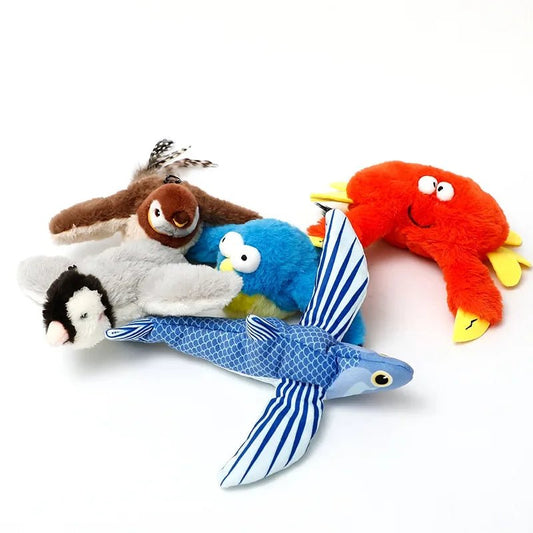
Imagine a small, fluffy toy mouse: to your cat, it's not just a piece of fabric and stuffing; it's a "successful catch." Carrying it around and vocalizing can be their way of showcasing their 'trophy.' It's a natural way for them to express their inherent need to hunt, stalk, and capture, even if their "prey" is just a beloved plaything. This behavior can be particularly common when a cat is feeling confident and proud of their "kill." It's a moment of pure, unadulterated feline satisfaction. Providing a variety of toys that simulate prey, from feathered wands to crinkly balls, can enhance this natural instinct in a safe and engaging way. Our Cat Toys Collection offers a wide range of options designed to tap into these natural instincts, encouraging healthy play and satisfying their inner hunter.
The "Teaching" Instinct: Are They Training You?
Another fascinating aspect of their hunting instinct is the desire to teach. Mother cats in the wild often bring back weakened or even dead prey to their kittens, demonstrating how to "finish the job" and providing them with practice. Some experts believe that when your cat presents you with a toy while meowing, they might be attempting to "teach" you how to hunt. They see you as part of their family unit, perhaps even a somewhat clumsy, oversized kitten who needs a lesson or two!
This theory suggests that your cat is demonstrating how to handle prey, hoping you’ll pick up on their cues. They might drop the toy at your feet, meow, and then look expectantly at you, waiting for you to engage. It's a valuable bonding opportunity, as you're participating in a deeply instinctual behavior with them. Responding to these overtures, even if it’s just by gently acknowledging their "lesson" or engaging in a short play session, can reinforce their trust and strengthen your connection. These teaching moments are precious, showing just how deeply your cat integrates you into their world.
The Maternal and Paternal Connection: Nurturing Through Play
Beyond hunting, another powerful instinct that can drive this toy-carrying behavior is the parental urge. Both male and female cats can exhibit nurturing behaviors, often extending to their favorite toys.
Maternal Instincts in Female Cats
It’s incredibly common for female cats, even those who have been spayed and never had kittens, to display strong maternal instincts. They might treat their favorite toy as if it were a kitten, carrying it around gently, moving it from one "safe" spot to another, and vocalizing softly (or sometimes loudly, as if calling to a lost kitten). The "moaning" or "yowling" sounds often associated with this behavior are very similar to the vocalizations a mother cat makes when relocating her litter or tending to her young.
This behavior is a beautiful manifestation of their innate drive to nurture and protect. They might choose specific, quiet spots to "hide" their "kitten," and the vocalization serves as a warning, a comfort, or simply a deep expression of their care. We’ve seen countless examples of this at Skimys, where our own beloved felines nurture their plush, pet-tested toys with an almost palpable devotion. Providing these cats with safe, cozy spaces, such as our high-quality Cat Beds & Furniture Collection, can further support these natural nesting behaviors and offer them a sense of security for their cherished "babies."
Paternal Behavior in Male Cats
While less commonly discussed, male cats can also exhibit parental behaviors. In some social structures, male cats play a role in protecting their mate and offspring. This protective instinct can translate into them "guarding" or carrying toys, similar to how a mother cat might. Their vocalizations might be a way of announcing their presence, signaling their protective stance, or simply an expression of their bond with the "toy-kitten."
Whether it's a male or female cat, this nurturing aspect of toy-carrying highlights the profound emotional depth of our feline companions. It's not just about playing; it's about a fundamental biological drive to care for something, even if that something is a brightly colored felt mouse. Recognizing this can help us appreciate their complex emotional lives and respond with the empathy they deserve.
Communication and Attention: "Look at Me!"
While instinct plays a huge role, sometimes, the reason is much simpler and more direct: your cat wants your attention! Cats are clever communicators, and they quickly learn what behaviors get a reaction from their human companions.
Initiating Playtime
One of the most straightforward reasons a cat meows with a toy in their mouth is to invite you to play. They've found their "prey," and now they want to share the excitement with you. The vocalization acts as an invitation, a "come join me!" signal. They might drop the toy at your feet, look up at you, and continue their distinctive meow, waiting for you to engage.
Regular interactive playtime is crucial for a cat's physical and mental well-being. It helps them burn off energy, prevents boredom, and strengthens the bond between you. A cat parent working from home with a restless kitten could easily keep them entertained with interactive toys from our Cat Toys Collection, turning a potential distraction into a delightful bonding session. If your cat brings you a toy and vocalizes, take a moment to engage with them. A quick game of fetch (yes, some cats love fetch!), a gentle toss of the toy, or even just acknowledging their offering can make a huge difference to their day. It shows them you understand their invitation and appreciate their effort.
Seeking Affection and Cuddles
Sometimes, a cat bringing you a toy isn't an invitation to play, but an overture for affection. They might drop the toy, meow, and then rub against your legs or jump onto your lap. In these instances, the toy acts as a 'comfort object' or a 'gift,' and the meow is a plea for connection, trust, and physical contact. It’s their way of saying, "I love you, I trust you, and I want to be close to you."
If your cat exhibits this behavior, try offering gentle pets, chin scratches, or a cozy cuddle session instead of immediately trying to play. You might find that's exactly what they were looking for. This kind of interaction reinforces the deep bond you share, teaching them that their "gift" leads to positive emotional rewards. Our cats are masters of subtle communication, and sometimes we need to look beyond the obvious to truly understand their needs.
"Showing Off" Their Accomplishments
Just like a proud child showing off a drawing, your cat might be bringing you their toy and vocalizing to "show off" their "catch." They want praise and acknowledgment for their hunting prowess, real or imagined. This behavior is rooted in seeking your approval and celebrating their "success" with their beloved human.
When your cat presents you with their toy, a positive response—a kind word, a gentle pet, or an enthusiastic "Good job!"—can go a long way. It validates their feelings and strengthens their self-esteem. It's a moment for you to celebrate their unique personality and indulge their adorable quirks. Remember, these little moments are what make life with cats so uniquely joyful and rewarding.
Boredom and Loneliness
On the flip side, persistent meowing with a toy could also be a sign of boredom or loneliness, especially if your cat is an only pet or spends a lot of time alone. A bored cat will often look for ways to entertain themselves or solicit interaction from their owners. Carrying a toy and vocalizing can be a desperate plea for engagement.
If you suspect boredom is a factor, consider enriching your cat's environment. This could involve:
- More interactive play sessions: Use wand toys, laser pointers (with a physical 'catch' at the end!), or puzzle toys.
- New and varied toys: Cats can get bored with the same old toys. Our Cat Toys Collection offers a diverse array of options, from crinkly balls to durable plushies, keeping playtime fresh and exciting.
- Vertical space: Cats love to climb and observe their surroundings from high perches. Providing scratching posts and cat trees can offer both entertainment and a sense of security. Give your cat the ultimate playground with our Cat Scratchers & Trees Collection. Perfect for climbing, scratching, and staying active indoors.
- Window perches: A view of the outside world can provide hours of entertainment.
- Puzzle feeders: These make mealtime an engaging activity, stimulating their minds.
Addressing boredom can significantly reduce unwanted vocalizations and destructive behaviors, leading to a happier, healthier cat.
Practical Considerations: The Toy Itself
Sometimes, the toy itself might be part of the message your cat is trying to convey. Cats are creatures of habit and can be surprisingly particular about their belongings.
A Broken or Damaged Toy
Cats can form deep attachments to specific toys. If a favorite toy is damaged, no longer makes a sound it once did, or has lost a piece, your cat might bring it to you while meowing as a way of saying, "Hey, this is broken! Can you fix it?" The vocalization here might be more akin to a complaint or a plea for restoration.
Inspect the toy carefully if this behavior is out of character or seems focused on a particular item. It might be time to replace it with something new and exciting from our Cat Toys Collection, ensuring continued joy and engagement for your feline friend. Always ensure toys are safe and durable, free from small parts that could be swallowed. At Skimys, we prioritize quality, with every product tested by our own pets for real-world usability and durability.
Empty Catnip or Treat Toys
Many interactive toys are designed with pockets for catnip or small treats. If your cat carries one of these toys and meows, they might be letting you know it's empty and needs a refill. This is a clear, direct communication: "I want more catnip!" or "Time for a snack!"
A persistent, insistent meow might signal their urgency. This is a simple problem to solve and can immediately satisfy your cat's desire, reinforcing positive communication. Just be sure to use catnip in moderation and only if your cat responds positively to it.
Enhancing Your Cat's Life with Skimys
Understanding "why does my cat meow with toy in mouth" is a big step towards a more harmonious relationship with your feline friend. But truly enriching their life goes beyond deciphering their quirky behaviors. At Skimys, we are committed to pet well-being, quality, customer care, and attention to detail, from product design to packaging and service. We offer a range of solutions designed to meet your cat's diverse needs, ensuring they lead a happy, healthy, and stimulated life.
The Power of Play
As we've explored, toys are not just frivolous objects for cats; they are essential tools for physical exercise, mental stimulation, and emotional well-being. A variety of toys can cater to different moods and instincts:
- Interactive Wands: Perfect for mimicking hunting, these encourage jumping, pouncing, and chasing.
- Solo Play Toys: Crinkle balls, soft mice, and kicker toys provide entertainment when you're busy.
- Puzzle Toys: Challenge their minds and reward them with treats, preventing boredom.
By providing a diverse and high-quality selection, you’re not just giving them something to play with; you’re investing in their health and happiness. Make every day fun for your feline—shop our Cat Toys Collection now.
Creating a Secure and Stimulating Environment
A cat's environment plays a huge role in their overall well-being. A stimulating home reduces stress, channels natural behaviors, and prevents boredom.
- Cozy Retreats: Cats need safe, comfortable places to rest, observe, and feel secure. This is especially true for cats exhibiting maternal behaviors with their toys. Give your feline the comfort they deserve—browse our Cat Beds & Furniture Collection to find the perfect spot for lounging, napping, and recharging.
- Vertical Space: Cat trees and shelves satisfy their instinct to climb and survey their territory from a height. This also provides exercise and reduces territorial disputes in multi-cat households. Our Cat Scratchers & Trees Collection offers fantastic options for both play and rest.
- Scratching Opportunities: Providing appropriate scratching posts and surfaces helps them maintain healthy claws, stretch their muscles, and mark their territory, diverting scratching away from your furniture. Give your cat the ultimate playground with our Cat Scratchers & Trees Collection. Perfect for climbing, scratching, and staying active indoors.
Hydration and Health
While not directly related to toy-carrying meows, overall health and hydration are foundational to a happy cat. A cat with adequate water intake and good health is more likely to engage in joyful play and less likely to exhibit stress-induced behaviors. Ensure your kitty stays hydrated and happy with our Cat Fountain Collection—a practical, stylish way to keep fresh water flowing all day long. A healthy cat is a happy cat, and many of the behaviors we discussed are signs of a cat feeling secure enough to express their natural instincts.
The Human-Feline Bond
Ultimately, decoding your cat's unique behaviors is about deepening your bond. Every meow, every toy brought to your feet, is an opportunity for connection. By understanding their language, whether it's an invitation to play, a plea for affection, or an expression of their ancient instincts, you can respond in ways that build trust and reinforce your loving relationship. We are committed to fostering these joyful bonding moments through our carefully designed, pet-tested products that truly make life with cats easier and more fun.
Conclusion
The mysterious meow your cat makes with a toy in their mouth is far from random. It's a rich tapestry of communication, woven from deep-seated instincts, desires for attention, and expressions of affection. Whether they’re channeling their inner hunter, nurturing a beloved "kitten," or simply inviting you to share in their joy, this behavior offers a precious glimpse into your cat's complex inner world. By taking the time to observe, understand, and respond with empathy and appropriate engagement, you can strengthen the incredible bond you share.
At Skimys, we believe in supporting these unique connections with products that are functional, durable, design-forward, and joyful. From interactive toys that spark their hunting instincts to cozy beds that support their nurturing side, we're here to help you celebrate every delightful quirk of your feline companion. Don't just wonder what your cat is trying to say—empower them with the tools they need to communicate, play, and thrive. Make every moment with your cat more exciting and fulfilling. Explore our Cat Toys Collection today and bring home endless joy for your furry family member!
FAQ
Q1: Why does my cat specifically yowl or make a strange sound when carrying a toy?
A1: This distinctive vocalization is often linked to deep-seated instincts. It can mimic the sounds a cat makes after a successful hunt (a "victory cry"), or the vocalizations a mother cat uses when moving or calling to her kittens. It can also be a more dramatic way to grab your attention for play or affection.
Q2: Is my cat trying to give me the toy as a gift?
A2: In a way, yes! When your cat brings you a toy and meows, it can be an act of trust and affection, much like bringing a "trophy" to their family. They might be "showing off" their catch, inviting you to play, or even attempting to "teach" you how to hunt.
Q3: My cat is spayed, but still carries toys around meowing. Is this normal?
A3: Absolutely! Even spayed female cats can retain strong maternal instincts. They may treat a favorite toy as a "kitten," carrying it to safe spots and vocalizing similar to a mother cat tending her young. This is a normal and often heartwarming display of their nurturing side. Male cats can also exhibit similar protective or nurturing behaviors.
Q4: Should I always play with my cat when they bring me a toy and meow?
A4: Not necessarily always play, but you should definitely respond! Observe your cat's body language. They might want interactive playtime, or they might be seeking cuddles, petting, or simply your acknowledgment and praise. Engaging with them, in whatever way they prefer, strengthens your bond. If you notice they consistently bring toys to you and vocalize, exploring a variety of toys from our Cat Toys Collection can ensure their play needs are met.
Q5: Could this behavior be a sign of boredom or stress?
A5: Yes, sometimes. If the meowing seems particularly insistent, distressed, or if it's accompanied by other signs of anxiety (like pacing or destructive behavior), it could indicate boredom or stress. Ensuring your cat has plenty of mental stimulation, regular interactive play, and a stimulating environment with comfortable resting spots (like those in our Cat Beds & Furniture Collection) can help alleviate these feelings.
Q6: What if my cat’s toy is broken or empty when they bring it to me?
A6: Cats are quite intelligent! If a toy that used to make noise is now silent, or if a treat-dispensing toy is empty, your cat might be bringing it to you as a way of asking you to "fix" it or refill it. It's a practical form of communication, indicating a need related to the toy itself. Always check toys for damage to ensure they are safe and functional.