Table of Contents
Picture this: You’re settling in for the evening, perhaps enjoying a quiet moment, when suddenly a distinct meow echoes through your home. It’s not a regular "feed me" meow, nor a demanding "pet me now" chirp. This one is different – a deep, often mournful, sometimes triumphant vocalization, and upon investigation, you find your beloved feline carrying a favorite toy, often with a theatrical flair. Sound familiar? Many cat parents experience this quirky, sometimes baffling behavior. Is your cat in distress, or are they simply channeling their inner wildness?
At Skimys, we understand that life with cats is full of delightful mysteries, and our mission is to make navigating these moments easier, cleaner, and way more fun. We believe in offering products that are functional, durable, design-forward, and joyful, avoiding anything overpriced or boring. This particular vocalization – meowing or even "yowling" while carrying a toy – is a widespread phenomenon that sparks curiosity in cat lovers everywhere. It's a rich display of feline instinct and communication, often indicating a complex mix of emotions and ingrained behaviors. This post aims to unravel this fascinating habit, exploring the various reasons behind your cat's vocal performance and offering insights into how you can understand and support your meowing, toy-toting companion. Understanding these nuances not only deepens your bond but also helps you provide the best possible environment for your feline friend. Ready to treat your cat to something new and explore playtime favorites that support their natural instincts? Explore our Cat Toys Collection and discover what brings joy to playtime.
Unpacking the "Why": Instincts and Evolution
Cats are magnificent creatures, retaining many of the instincts of their wild ancestors despite generations of domestication. When your cat meows with a toy in their mouth, they are often tapping into these deep-seated, evolutionary behaviors. It's a vibrant reminder that even the most pampered house cat is a tiny tiger at heart.
The Hunter's Call: Prey Drive and Triumphant Vocalizations
One of the most compelling reasons behind this behavior stems directly from your cat's innate hunting instincts. In the wild, successful hunters often vocalize after catching prey. This isn't just a celebratory shout; it serves multiple purposes:
- Announcing a successful hunt: A call to alert other cats (or in the domestic setting, you) to their triumph. It’s their way of saying, "Look what I caught!"
- Warning off rivals: For solitary hunters, a loud meow might deter other predators from trying to steal their hard-earned meal. Even though their "prey" is just a plush mouse, the instinct remains.
- Practicing the kill sequence: Domestic cats, especially those without outdoor access, satisfy their hunting urges through play. The toy becomes a substitute for live prey. When they "catch" it, the accompanying vocalization is a natural part of this simulated hunt. They're reliving the thrill of the chase and the satisfaction of the capture.
- Bringing "prey" home: Sometimes, cats will carry their toy-prey to a special "den" or a safe spot, mimicking how their ancestors would bring food back to their nests or kittens. The meows might be a way of "calling" to their family or simply expressing the importance of their bounty.
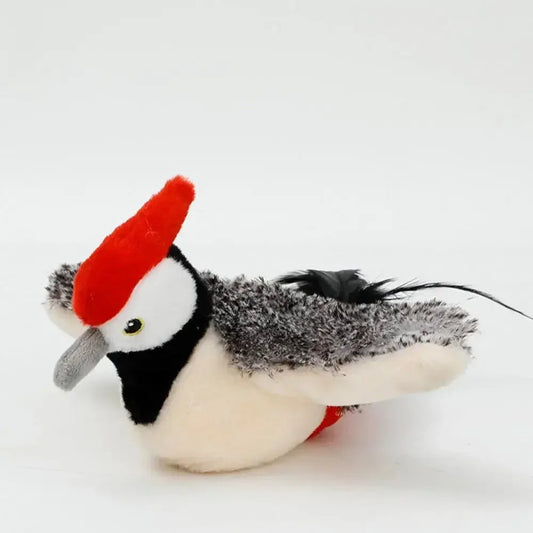
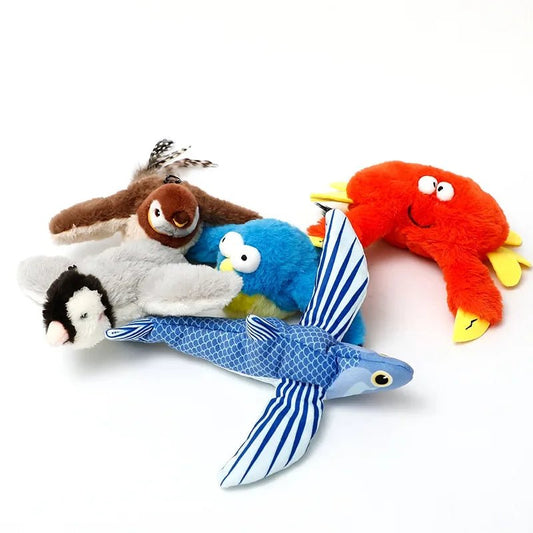
This behavior is incredibly normal and shows that your cat is engaged in healthy, natural play. Providing a variety of toys that mimic different types of prey can further enrich this experience. Our Cat Toys Collection is curated with this in mind, offering items designed to stimulate natural instincts like hunting, pouncing, and chasing.
The Maternal Echo: Nurturing and Protection
Another significant, often misunderstood, reason for carrying toys and vocalizing relates to a cat’s maternal instincts. This behavior is not exclusive to female cats, nor is it limited to unspayed females; even neutered males can display it.
- Treating toys as kittens: Many cats, regardless of their spay/neuter status, will develop a strong bond with certain toys, treating them as if they were their own offspring. They might carry them gently, groom them, or move them from place to place. The accompanying meows are often soft, mournful, or even a low yowl, mimicking the vocalizations a mother cat uses to communicate with her kittens, especially when moving them to a new, safer location.
- Seeking a "safe nest": This instinct can lead cats to relocate their "kittens" (toys) to perceived safe or hidden spots around the house, like under furniture, in a quiet room, or even in your bed. The vocalizations can express a deep-seated instinct to protect and nurture.
- "Empty nest" syndrome: For cats who may have had litters in the past or whose instincts are particularly strong, carrying and vocalizing with toys can be a way to fulfill a deep, biological need to care for young. It's a comforting ritual for them.
Observing the type of meow and how your cat handles the toy can offer clues. Is it a gentle carry with soft murmurs, or a more assertive march with a strong yowl? Both are normal and reflect different facets of their ancestral programming.
Communication with You, Their Human
Beyond primal instincts, your cat’s meowing while playing with a toy is also a form of direct communication aimed at you, their cherished human. Cats are highly social animals, and they've learned that vocalizations are an effective way to interact with us.
"Look What I Caught!": Seeking Attention and Praise
Often, your cat’s dramatic entrance with a toy in their mouth and a loud meow is a blatant bid for your attention. They want you to acknowledge their "prowess" or share in their excitement.
- Showing off their bounty: They're proud of their "catch" and want you to see it. Acknowledging their effort with a kind word or a gentle pet can reinforce this positive interaction.
- Inviting you to play: The meow might be an invitation for you to join in the game. They might drop the toy at your feet, then look at you expectantly, meowing again. This is a clear signal that they want you to engage, whether by throwing the toy, wiggling a wand, or simply chasing them around. Interactive play is crucial for a cat’s well-being, fostering enrichment and reducing boredom. It's also a wonderful way to create joyful bonding moments between you and your feline friend.
- Reinforced behavior: If you've previously responded to these meows by giving attention, praise, or even a treat, your cat has learned that vocalizing with a toy gets results. They'll continue the behavior because it's effective.
Responding positively to these invitations to play and interact is key. Our Cat Toys Collection offers a wide variety of interactive options that can help you fulfill your cat's desire for shared playtime and strengthen your bond.
Expressing Joy and Excitement
Sometimes, the meowing is simply an overflow of happiness and exhilaration. Cats get genuinely excited during playtime, especially if they've had a particularly satisfying chase or "capture."
- Post-hunt adrenaline: After a burst of energetic play, the meows can be a release of pent-up energy and adrenaline. It's their happy chatter, a sign of a truly engaged and satisfied cat.
- General contentment: A cat who feels safe, stimulated, and loved will often express their contentment vocally. These playful meows can be a delightful part of their daily routine.
- Establishing a joyful routine: When playtime is a regular, positive experience, these vocalizations become part of a happy ritual. A cat parent working from home with a restless kitten could keep them entertained and vocal with interactive toys from our Cat Toys Collection, turning their meows into happy signals of engagement.
It's important to differentiate these joyful meows from signs of distress. A cat expressing joy will generally have relaxed body language, a perked tail, and bright, engaged eyes.
Emotional & Environmental Factors
While instincts and communication with you are major drivers, several emotional and environmental factors can also influence why your cat meows with a toy. Understanding these can help you address any underlying needs.
Stress or Anxiety: A Coping Mechanism
Just like humans, cats can experience stress and anxiety, and they have their own ways of coping.
- Seeking comfort: For some cats, carrying a specific toy and vocalizing can be a self-soothing behavior, akin to a child carrying a security blanket. The routine of it can provide comfort during periods of change or anxiety.
- Displacement behavior: When a cat is stressed or unsure how to react to a situation (e.g., a new pet, a change in household routine, a sudden loud noise), they might engage in a displacement behavior like carrying a toy and vocalizing. It diverts their energy into a familiar, comforting action.
- Environmental changes: Has there been a recent move, a new family member (human or animal), or a change in your work schedule? These shifts can sometimes trigger an increase in vocalizations and toy-carrying as your cat tries to process and adapt.
If you suspect your cat's vocalizations are stress-related, observe other behaviors. Are they hiding more, eating less, or showing aggression? If so, creating a more secure and predictable environment can help. Consider providing elevated spaces and cozy retreats. Browse our Cat Beds & Furniture Collection to find the perfect spot for lounging, napping, and recharging, giving your feline the comfort they deserve.
Boredom or Lack of Stimulation
A bored cat is often a creative cat, and sometimes, a vocal cat.
- Self-entertainment: If your cat isn't getting enough mental and physical stimulation, they might instigate their own games, including carrying toys and meowing to draw attention to their need for engagement.
- Need for challenge: Cats thrive on challenge. If their environment is too static, they may vocalize out of a desire for more interactive or puzzle-based play.
- Enrichment deficit: A lack of environmental enrichment (like climbing structures, hiding spots, or varied toys) can lead to boredom-induced behaviors.
To combat boredom, ensure your cat has a stimulating environment. This includes regular interactive play sessions, a rotation of toys, and opportunities for climbing and scratching. Give your cat the ultimate playground with our Cat Scratchers & Trees Collection. Perfect for climbing, scratching, and staying active indoors, these options provide essential physical and mental stimulation.
Routine and Anticipation
Cats are creatures of habit, and their vocalizations can become a cherished part of their daily routine, particularly around specific times or events.
- Pre-bedtime ritual: Many cat parents report their cats engaging in this behavior every night before bed, almost like a "goodnight" ritual. The meows might signify winding down from the day's excitement or preparing for a quiet night.
- Predictable playtimes: If you have established playtimes, your cat might start meowing with a toy in anticipation as the time approaches. They’re excitedly prompting you to begin the fun.
These routines, even if they involve loud meows, are often a sign of a well-adjusted and secure cat who understands and anticipates the rhythms of their day.
Specific Types of Meows and Their Meanings
Cats have a surprisingly diverse vocal repertoire, and the specific sound of the meow can sometimes offer clues to its meaning.
- The Yowl/Mournful Cry: Often deep and prolonged, this can sound distressed but is frequently associated with hunting or maternal instincts (calling for "kittens"). It's a primal sound, less about discomfort and more about instinctual expression.
- The Chirp/Trill: Shorter, softer, and often with a rising inflection, chirps are typically greetings or invitations to follow. If combined with carrying a toy, it's often an invitation to play or an expression of mild excitement.
- The "Conversation" Meow: Your cat might engage in a back-and-forth "chat" with you while carrying a toy, using various pitches and lengths of meows. This is a clear sign they are trying to communicate directly, often seeking attention or participation.
- The "Prey" Meow/Chitter: This often quiet, chattering sound is typically reserved for when a cat is intently focused on prey they can't reach (like a bird outside a window). While less common with a toy in their mouth, it can accompany the intense focus leading up to a "capture."
Understanding these nuances helps you respond appropriately. A deep yowl might just need a nod of acknowledgment, while a chirpy meow with a dropped toy might require you to grab a wand toy and join the fun!
When to Pay Closer Attention (and When Not To)
Most instances of a cat meowing with a toy are perfectly normal and healthy. However, it's always wise to be observant of your cat's overall well-being.
Normal Behavior vs. Potential Concern
- Normal: If your cat's behavior is consistent, seems joyful, doesn't interfere with eating/drinking/litter habits, and is accompanied by otherwise healthy body language (e.g., relaxed posture, bright eyes, good appetite), it's likely just a charming quirk. It signifies engagement and natural expression.
- Potential Concern: If the vocalization is new, sudden, excessive, seems genuinely distressed (e.g., accompanied by pacing, hiding, aggression, inappropriate urination, changes in appetite or water intake), or if your cat seems genuinely agitated and unable to settle, it warrants closer attention. In such cases, the meowing might be a symptom of an underlying medical issue or significant stress that needs to be addressed. While we at Skimys focus on providing joyful solutions, we always prioritize your pet's well-being. Support your feline’s well-being with essentials from our Cat Health Care Collection. Designed to keep your cat feeling their very best every day, it's a great resource for preventative care.
Always trust your gut. You know your cat best. If something feels "off," a consultation with a veterinarian is always the best course of action to rule out any health issues.
Nurturing This Behavior Positively
Instead of trying to stop this vocalization (unless it becomes genuinely disruptive or indicative of distress), we encourage cat parents to understand and nurture it. It's a window into your cat's rich inner world!
Providing Appropriate Toys for Enrichment
The foundation of happy, healthy play is the right equipment.
- Variety is key: Offer a range of toys that cater to different hunting styles – toys that mimic prey (mice, birds), toys for batting, toys for puzzle-solving, and interactive wand toys for shared play.
- Durable and safe: Ensure toys are made from safe, non-toxic materials and are durable enough to withstand vigorous play. Every product we offer at Skimys is tested by our own pets, ensuring real-world usability and cat-approved durability.
- Rotate toys: Keep playtime fresh and exciting by rotating toys. Put some away for a week or two and reintroduce them to spark renewed interest.
Our Cat Toys Collection features high-quality, engaging toys designed to stimulate your cat's natural instincts and provide hours of entertainment. From solo puzzle toys to interactive wands, we have options that foster enrichment and reduce boredom.
Engaging in Interactive Play
Beyond solo play, regular interactive sessions with you are vital for emotional well-being and strengthening your bond.
- Mimic prey movement: Use wand toys to simulate the unpredictable movements of prey – darting, hiding, pouncing. This allows your cat to engage in the full hunt sequence.
- Daily rituals: Aim for at least 15-20 minutes of interactive play once or twice a day. This consistent routine helps your cat burn off energy and satisfy their hunting drive.
- Positive reinforcement: Praise your cat when they "catch" the toy, and allow them to "win" at the end of the session to boost their confidence and satisfaction.
Creating a Stimulating and Secure Environment
A rich environment supports all aspects of your cat's natural behavior.
- Vertical space: Cats love to climb and perch. Provide cat trees, shelves, or window perches. This allows them to survey their territory from a safe vantage point, fulfilling their need for height and security. Give your cat the ultimate playground with our Cat Scratchers & Trees Collection. Perfect for climbing, scratching, and staying active indoors, these options provide essential physical and mental stimulation.
- Hiding spots: Ensure there are plenty of cozy, quiet places where your cat can retreat and feel secure. This could be a covered bed, a box, or a soft tunnel. Give your feline the comfort they deserve—browse our Cat Beds & Furniture Collection to find the perfect spot for lounging, napping, and recharging.
- Scratching opportunities: Provide various scratching posts and surfaces (cardboard, sisal, carpet) to fulfill their natural urge to scratch and maintain paw health.
Ensuring Hydration and Grooming
While seemingly unrelated to playing with toys, a cat's overall health and well-being are foundational to all behaviors, including vocalizations.
- Hydration for vitality: Proper hydration is crucial for a cat's physical health, impacting energy levels and overall vitality. Ensure your kitty stays hydrated and happy with our Cat Fountain Collection—a practical, stylish way to keep fresh water flowing all day long.
- Grooming for comfort and bonding: Regular grooming not only keeps their coat healthy but also provides a calming, bonding experience. A relaxed, comfortable cat is more likely to express themselves joyfully during play. Keep your cat’s coat shiny and healthy with tools from our Cat Brushes & Grooming Collection. Grooming doesn’t just improve appearance—it strengthens your bond too.
At Skimys, we are committed to pet well-being, quality, customer care, and attention to detail, from product design to packaging and service. We strive to provide practical, valuable advice and realistic expectations for pet parenting. The benefits of our products focus on fostering enrichment, reducing boredom, encouraging natural instincts like hunting or scratching, creating joyful bonding moments, and providing practical everyday solutions for cat owners. Always remember, supervision and safety are implicitly understood when using any pet product.
Conclusion
The delightful mystery of why your cat meows while playing with a toy is, in fact, a beautiful tapestry woven with threads of deep-seated instincts, clear communication, and emotional expression. From the triumphant roar of a successful hunter bringing home their "prey" to the tender murmurs of a surrogate mother caring for her "kittens," and even the joyful chatter of a cat seeking your attention, these vocalizations are a testament to the rich inner lives of our feline companions.
By understanding these multifaceted reasons, we can move beyond simply observing the behavior to truly appreciating and responding to our cats' needs. It allows us to provide an environment that not only caters to their primal urges but also strengthens the unique bond we share. This isn't just a quirky habit; it's your cat’s way of engaging with their world, and with you, in a meaningful way.
At Skimys, we celebrate these wonderful feline eccentricities and are dedicated to making life with your pets easier, cleaner, and way more fun. Our thoughtfully designed, pet-tested products are crafted to enhance these natural behaviors, ensuring your cat feels loved, stimulated, and understood. So, the next time your cat parades around with a toy, singing their song, know that you’re witnessing a beautiful display of feline nature and a heartfelt communication. Make every day fun for your feline—shop our Cat Toys Collection now and choose accessories that bring joy and enrichment into their lives!
Frequently Asked Questions
Q1: Is it normal for my cat to carry a toy and meow loudly?
Yes, this behavior is very common and usually quite normal! It's often linked to a cat's natural hunting instincts (announcing a catch or bringing "prey" home), maternal instincts (treating the toy as a kitten), or a desire to communicate with you (seeking attention or inviting play).
Q2: How can I tell if my cat's meowing with a toy is due to stress?
Observe your cat's overall body language and other behaviors. If the meowing is accompanied by signs of distress like hiding, loss of appetite, changes in litter box habits, excessive grooming, or aggression, it might indicate stress or an underlying issue. However, if they appear relaxed, playful, and engaged, it's likely a happy, natural expression.
Q3: Should I encourage this behavior, or try to stop it?
In most cases, you should encourage this behavior! It's a healthy outlet for your cat's instincts and a way they express joy and seek interaction. Responding positively (e.g., with praise or joining in play) can strengthen your bond. Only consider intervention if the behavior becomes genuinely disruptive or is accompanied by other signs of distress, in which case consulting a vet is recommended.
Q4: What kind of toys are best for cats who like to "hunt" and vocalize?
Cats who exhibit this behavior often enjoy toys that mimic small prey, such as plush mice, crinkle balls, or lightweight toys they can easily carry in their mouths. Interactive wand toys are also excellent for simulating the hunt, allowing them to chase, pounce, and "capture." Look for durable, pet-tested toys from our Cat Toys Collection that cater to their natural instincts.
Q5: My cat only does this at night. Is that normal?
Yes, it's very common for cats to exhibit this behavior more intensely at night or in the early morning. Cats are naturally crepuscular, meaning they are most active during dawn and dusk. Nighttime can be a prime time for "hunting" and play, especially in a quiet house where their vocalizations might seem more prominent.
Q6: Can this behavior be a sign of boredom?
It can be. If your cat isn't getting enough mental and physical stimulation throughout the day, carrying a toy and meowing might be a way for them to self-entertain or signal that they need more engagement from you. Ensure they have a stimulating environment with plenty of toys, climbing opportunities, and regular interactive play sessions.