Table of Contents
Have you ever found yourself searching high and low for your cat's favorite feathered wand, only to discover it meticulously tucked away under a rug, inside a shoe, or even deep within your laundry basket? If so, you're not alone. This delightful, yet sometimes bewildering, behavior of cats hiding their treasures is a common thread among feline parents worldwide. It's a quirk that speaks volumes about their inner world, their instincts, and their unique way of interacting with their environment. At Skimys, we understand that these little mysteries are part of the joy and challenge of sharing our lives with cats. We’re dedicated to creating products that not only support their natural behaviors but also make understanding them a little easier and a lot more fun.
This post will delve into the fascinating reasons behind why your beloved feline friend transforms into a secret stasher, exploring the ancient instincts that drive this behavior. We’ll uncover everything from the protective urges of a mini-predator to the simple desire for a secure personal space. More importantly, we'll offer practical advice on how you can support these natural tendencies in healthy ways, providing enrichment and understanding rather than frustration. By the end, you'll have a clearer picture of your cat's secret life as a toy hoarder and feel better equipped to provide them with the perfect playful outlets. Ready to treat your cat to something new and embrace their wild side? Explore our Cat Toys Collection and discover playtime favorites designed for every feline instinct.
Decoding the Mystery: Why Cats are Master Hiders
The act of a cat hiding its toys might seem random, but it's a deeply ingrained behavior rooted in their evolutionary history and unique feline psychology. It's not about being mischievous; it's about being a cat.
It's Instinctive: Predator-Prey Dynamics
At their core, domestic cats are still miniature hunters, and their instincts are remarkably similar to their wild ancestors. In the wild, successful hunting involves stealth, surprise, and securing prey. When a cat "hides" a toy, especially after a vigorous play session, they are often mimicking aspects of this ancestral hunt.
Imagine a small wild cat successfully capturing its prey. It wouldn't just leave it out in the open. Instead, it would carry its prize to a secluded, safe spot – perhaps a dense bush or a hidden den – where it could "consume" it without fear of other predators or scavengers taking it away. Your cat's toy, particularly one they've "killed" during play, becomes their "prey." Tucking it away is their way of safeguarding their catch, a trophy from a successful hunt. This isn't just about possession; it's about the deep-seated urge to ensure their survival and maintain control over their resources.
Protecting Valuables: Mine, All Mine!
Just like us, cats develop attachments to certain objects. A favorite toy isn't just a plaything; it can be a source of comfort, security, and immense joy. When a cat hides a particular toy, they're often trying to protect this valued possession from perceived threats. These threats aren't always real; they can be other pets in the household, children, or even you, especially if the cat feels their playtime might be interrupted or their toy taken away.
This behavior highlights a cat's sense of ownership. "This is my toy, and I want to keep it safe where no one else can get to it." It’s a territorial instinct, a way of staking a claim on what they deem important. Providing multiple play options and rotating toys can sometimes lessen this intense possessiveness over one specific item, allowing them to feel secure in their abundance.
Scent Management: The Art of Disappearing
In the wild, a cat's scent is both a calling card and a potential liability. While it marks territory, it can also attract predators or warn off prey. After interacting with a toy, a cat's scent transfers onto it. Hiding the toy, especially under something or in a less trafficked area, can be a way to "bury" their scent, making it less detectable. This isn't necessarily a conscious decision in the human sense but rather an instinctual drive to minimize their presence.
This behavior is a relic of survival. A wild cat that leaves its "kill" or possessions out in the open, saturated with its scent, risks drawing unwanted attention. By stashing their toy, your domestic cat is, in a way, attempting to remain unseen and unheard in the invisible world of scent signals. It's a nuanced form of stealth that contributes to their overall sense of security.
Practice Makes Purr-fect: Honing Hunting Skills
Cats are natural predators, and even if they're well-fed house cats, the drive to hunt and stalk remains strong. Their toys are often stand-ins for live prey, allowing them to practice their impressive array of hunting skills: stalking, pouncing, batting, and of course, "killing." Hiding a toy can be another facet of this practice.
Consider a scenario where a cat hides a toy, then later "discovers" it and pounces. This recreates a mini-hunting scenario, allowing them to refine their search-and-pounce tactics. It's a form of self-entertainment and skill development. It keeps their minds sharp and their bodies agile, even if the "prey" is just a crinkly ball. For optimal mental and physical stimulation, consider enriching their environment with opportunities for climbing and observation, like those found in our Cat Scratchers & Trees Collection. These structures provide the height and vantage points essential for a cat's natural instincts, just like they would use in the wild to observe prey or threats.
Boredom Busters: A Self-Entertaining Game
Sometimes, the simplest explanation is the best. If your cat isn't getting enough mental or physical stimulation, hiding and then "rediscovering" toys can be a fantastic way to alleviate boredom. It's a self-initiated game of hide-and-seek. The act of moving the toy, finding a new spot, and then later returning to "hunt" it provides a welcome diversion.
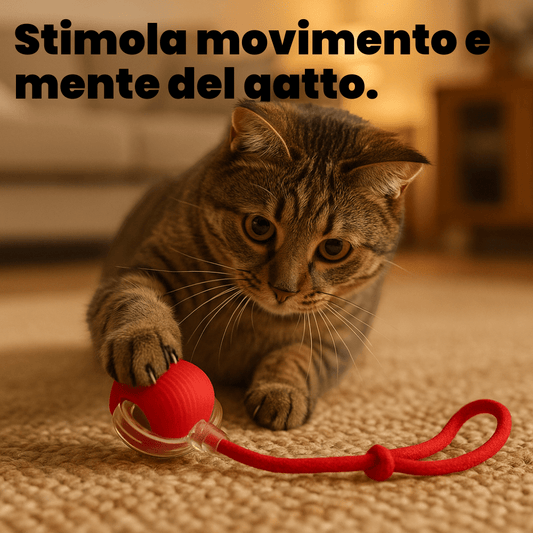
This is especially true for indoor cats who might not have access to the varied stimuli of the outdoors. By creating their own challenges, they keep themselves engaged. It underscores the importance of providing a rich environment with plenty of toys and interactive play sessions to keep their intelligent minds occupied. Without sufficient stimulation, cats can become bored, which can lead to other undesirable behaviors. Ensuring a steady supply of engaging toys, perhaps rotating them to keep things fresh, is a great way to combat this. Don’t forget to check out our Cat Toys Collection for endless entertainment options!
Stress and Security: Seeking Comfort
While often playful, hiding can also stem from a need for security and comfort. If a cat feels anxious, stressed, or generally insecure in their environment, retreating to a hidden spot with a favorite toy can be a coping mechanism. The toy becomes a familiar, comforting object in a world that might feel overwhelming.
New environments, changes in routine, new pets, or even loud noises can trigger stress in sensitive felines. In such cases, taking a beloved item to a safe, secluded spot offers a sense of control and peace. It’s their equivalent of pulling a comfort blanket over themselves. To support this need for security, we always recommend providing plenty of cozy, private spaces. Our Cat Beds & Furniture Collection offers a variety of snug hideaways and elevated perches where your cat can retreat, relax, and feel completely safe, whether they’re napping or just needing a moment of quiet solitude with their favorite toy.
Beyond Toys: What Else Do Cats Hide?
While toys are common targets for stashing, cats sometimes extend their "hoarding" behavior to other items around the house. Understanding what else they might hide can offer further insight into their motivations.
Treats and Food: Saving for Later
Occasionally, a cat might hide treats or even bits of kibble. This behavior is a throwback to their wild ancestors who would cache extra food to ensure a supply for leaner times. Even though your cat likely has a consistent food source, this ancient instinct can still surface, especially if they perceive competition from other pets or simply enjoy the ritual of "saving" their bounty. It's less about actual future hunger and more about fulfilling that deep-seated instinct for resource management.
Your Beloved Belongings: A Playful Pounce?
Perhaps the most frustrating type of cat hiding behavior is when they decide your car keys, pen, hair tie, or even a sock makes for an excellent hidden treasure. Why do they do this?
- Attention-Seeking: Sometimes, your cat has learned that taking a shiny object and batting it away gets your attention. The ensuing search often results in you interacting with them, reinforcing the behavior.
- Playtime: Small, lightweight, and interesting objects can simply be irresistible targets for play. They might bat them around, carry them, and then, almost by accident, "hide" them in the process of play.
- Scent Attraction: Items that carry your scent can be comforting or interesting to your cat. They might carry them off to a secluded spot to spend time with your scent.
It's rarely malicious. From a cat's perspective, they're simply engaging with their environment and exercising their natural instincts.
Distinguishing Behavior: Hiding Objects vs. Hiding Themselves
It's crucial to understand the difference between a cat hiding objects and a cat hiding themselves, as the latter can often be a sign of a deeper issue.
When Hiding is Normal
A cat hiding a toy or a treat, then later "hunting" it or simply leaving it in a spot where it feels secure, is generally a sign of a healthy, instinct-driven cat. They might be playful, protective of their belongings, or just self-entertaining. This behavior is usually accompanied by other signs of well-being: good appetite, active play, social interaction (even if it's just with you), and appropriate litter box use. It’s part of their charming personality.
When Hiding Signals Concern (and what to do)
If your cat suddenly starts hiding themselves for extended periods, avoiding interaction, or withdrawing from their usual routines, it's a different story. This kind of hiding often signals stress, anxiety, fear, or illness.
- Stress/Anxiety: New changes in the home (a new pet, baby, loud construction, moving), a lack of safe spaces, or even conflict with other household animals can make a cat feel vulnerable. They might hide to escape perceived threats.
- Fear: A traumatic experience or ongoing negative interactions can cause a cat to become fearful and seek constant refuge.
- Illness/Pain: Cats are masters at hiding pain or illness, an evolutionary trait to avoid appearing weak to predators. If your cat is lethargic, has a decreased appetite, is vocalizing more or less than usual, or is showing any other signs of discomfort while also hiding, it's a strong indicator that something is wrong.
What to do if your cat is hiding themselves due to concern:
- Create Safe Zones: Ensure your cat has quiet, secluded places where they can retreat and feel secure. This could be a cat tree with a hidden cubby, a cozy bed under a table, or even a cardboard box. Our Cat Beds & Furniture Collection offers many options that cater to a cat's need for security and comfort, providing them with their own personal sanctuary.
- Reduce Stressors: Identify and minimize potential stressors in their environment.
- Gentle Interaction: Don't force interaction. Let your cat come to you. Spend quiet time in their presence without direct engagement.
- Veterinary Check-up: Most importantly, if your cat's hiding behavior is a sudden change or accompanied by other concerning symptoms, a visit to the veterinarian is always the best course of action to rule out any underlying health issues. Supporting your feline's well-being is paramount, and you can find essentials designed to keep your cat feeling their very best every day in our Cat Health Care Collection.
The Prime Hiding Spots: Where to Look
Knowing why your cat hides things is helpful, but knowing where they hide them can save you a lot of frustration when you're searching for that missing item or their favorite toy. Cats are incredibly creative, but they do have some preferred types of locations.
Under Cover: Beds, Blankets, and Cushions
This is a classic. Just like we might tuck things away under our bed, cats love the privacy and softness of these spots.
- Under the Bed: A vast, often undisturbed territory perfect for stashing treasures.
- Under Blankets or Rugs: Easy to access, provides scent concealment, and feels secure.
- Inside Couch Cushions: Especially if they can burrow in, or if there's a loose cover they can slip things into.
The Cozy Cubbies: Closets and Drawers
Cats are drawn to small, enclosed spaces that feel secure and den-like.
- Closets: Dark, quiet, and full of soft things. If a door is ajar, it's an open invitation.
- Drawers (especially if left open): A surprising but common spot. A partially open drawer is like a secret cave.
- Baskets or Hampers: Perfect for soft items, and their toys blend right in.
High Perches and Secret Shelves
While many associate hiding with ground-level spots, cats also appreciate elevated security.
- On Top of Shelves or Cabinets: If they can jump up there, they might tuck a toy behind something, enjoying the secure vantage point.
- Cat Trees with Cubbies: These are specifically designed for cats to hide, nap, and observe from a secure height. Offering tall structures like those in our Cat Scratchers & Trees Collection not only satisfies their climbing urges but also provides excellent hiding spots for their prized possessions.
Inside Unexpected Places: Shoes and Bags
Small, contained spaces are often irresistible.
- Shoes: The perfect little cubby for a small toy or even a treat.
- Handbags, Backpacks, or Shopping Bags: If left on the floor, these can become temporary dens for hidden items.
The "Oops, It Fell" Zone: Behind Furniture
Sometimes, it's not intentional hiding but rather a result of enthusiastic play.
- Behind Cabinets, Dressers, or Appliances: Toys batted around with zeal often end up in these hard-to-reach places.
- Under Appliances (Refrigerator, Stove): Be careful here, as some items can be a fire hazard if they get too close to heating elements.
When you're searching, remember to think like a cat: where would you take your most prized possession if you wanted it to be safe, secure, and potentially out of sight from larger "predators"?
Encouraging Healthy Hiding & Play
Rather than trying to stop your cat from hiding their toys – which is an instinctual behavior – it's far more beneficial to lean into it and provide positive outlets. This fosters enrichment, reduces boredom, and encourages natural instincts in a safe, fun way.
Provide Plenty of Toys: Variety is the Spice of Life
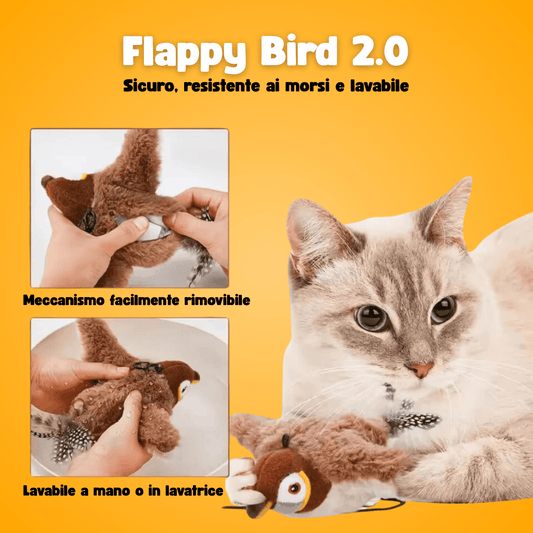
A wide array of toys ensures your cat always has something new and interesting to "hunt" and "hide." Rotate their toys regularly to keep them engaged. A cat parent working from home with a restless kitten could keep them entertained with interactive toys from our Cat Toys Collection, ensuring they have plenty of options for both solo and supervised play. Offering a mix of textures, sounds, and movements mimics the variety found in a natural hunting environment. Think crinkle balls, feathers, plush mice, and even simple elastic hair ties (used under supervision!).
Offer Dedicated Hiding Nooks
Give your cat designated spots where they can hide their toys (and themselves) without causing you to franticly search for your car keys.
- Cardboard Boxes: Simple, inexpensive, and universally loved by cats. They're perfect for tucking away toys.
- Cat Tunnels: Provides both a play space and a place to stash items.
- Cozy Beds with High Sides: Offers a sense of security.
- Enclosed Cat Furniture: We believe in offering products that are functional, durable, design-forward, and joyful. Our Cat Beds & Furniture Collection includes cozy cat condos, enclosed beds, and soft igloo-style sleepers that provide the perfect den-like environment for a cat to feel safe and secure, whether they're napping or protecting their favorite toy.
Create a Stimulating Environment
An enriched environment lessens boredom, which can reduce the need for cats to create their own entertainment by hiding your valuables.
- Vertical Space: Cats love to climb and observe from high vantage points. Providing cat trees, shelves, or wall-mounted perches satisfies this need. Our Cat Scratchers & Trees Collection is designed to offer multi-level platforms, scratching surfaces, and cozy cubbies, encouraging exercise and providing secure spots for observation and rest, making their environment more exciting.
- Scratching Posts: Essential for claw health and stress relief.
- Window Perches: Allow them to watch the "outside world," providing visual stimulation.
Rotate Toys Regularly
Don't leave all the toys out all the time. Keep a selection put away and rotate them every few days or weeks. This keeps things fresh and exciting, making old toys feel new again and reducing the likelihood of a cat becoming overly possessive or bored with a single item.
Engage in Interactive Play
Dedicated interactive play sessions with you are vital. Use wand toys, laser pointers (never directly in the eyes, and always end with a physical toy they can "catch"), or puzzle feeders. This strengthens your bond and fulfills their hunting drive directly, which can reduce their perceived need to hide everything. Interactive play is a cornerstone of cat well-being.
Consider Puzzle Toys
Puzzle toys that dispense treats or kibble when manipulated are excellent for mental stimulation. They challenge your cat's problem-solving skills and mimic the effort required to "hunt" for food, which can be a satisfying alternative to simply hiding items.
When to Be Concerned
While hiding toys is generally normal, it’s always important to monitor your cat’s overall behavior.
Sudden Change in Behavior
If your cat, who never used to hide toys, suddenly starts stashing them aggressively, or if they seem overly anxious or possessive, it might be worth investigating if there's an underlying stressor. Perhaps a new pet, a change in household dynamics, or even a subtle health issue could be at play.
Loss of Appetite/Lethargy
As mentioned earlier, hiding can be a symptom of illness. If your cat is hiding their toys and exhibiting other signs of illness like lethargy, loss of appetite, changes in litter box habits, or unusual vocalizations, consult your vet immediately. Any deviation from their normal, happy behavior warrants attention.
Skimys's Approach to Play and Well-being
At Skimys, our mission is to make life with pets easier, cleaner, and way more fun. We understand that a cat's instinct to hide their toys is a natural and healthy part of their feline identity. That's why we believe in offering products that are functional, durable, design-forward, and joyful, specifically crafted to support these intrinsic behaviors without being overpriced or boring options.
Every product we offer, from the most elaborate cat tree to the simplest crinkle ball, is tested by our own pets. This ensures real-world usability and cat-approved durability, so you know you're getting items that can stand up to even the most dedicated toy hider. We design our toys to stimulate natural instincts like hunting, pouncing, and chasing, providing enrichment and reducing boredom. Whether your cat prefers interactive play or solo entertainment, our diverse collection offers something for every personality. We are committed to pet well-being, quality, customer care, and attention to detail, from product design to packaging and service. Our products are not just for cats, but also for owners to enjoy watching their pets thrive, embracing all their quirky, wonderful feline behaviors. Make every day fun for your feline—shop our Cat Toys Collection now.
Conclusion
The next time you discover your cat's favorite toy tucked away in a peculiar spot, take a moment to appreciate the intricate tapestry of their feline instincts at play. Whether they're protecting their "prey," managing their scent, refining their hunting skills, or simply beating boredom, their hiding behavior is a rich expression of who they are. Understanding these motivations allows us to better support their needs, creating an environment that is not just a home, but a playground for their wild spirit.
By providing a stimulating environment, a variety of high-quality toys, comfortable hiding spots, and dedicated interactive play, you're not just tolerating their quirks – you're actively enriching their lives. Embrace their playful secrets and delight in the charming mysteries they bring to your home. Ready to enhance your cat's playtime and support their natural instincts with toys they'll love (and perhaps hide)? Explore our Cat Toys Collection today and bring home endless joy and enrichment!
FAQ
Q1: Is it bad if my cat hides their toys? A: No, it's generally not bad! Hiding toys is a very natural behavior for cats, rooted in their instincts to protect resources, practice hunting, and create secure spaces. As long as your cat is otherwise healthy and happy, it's a normal part of their feline charm.
Q2: How can I encourage my cat to play with the toys they hide? A: You can encourage play by rotating toys regularly so they feel "new" again. Engage in interactive play sessions using wand toys to make the toys seem like live prey. You can also hide toys yourself in intriguing spots, turning it into a fun game of "hunt the toy."
Q3: My cat hides my belongings, not just their toys. Why? A: Cats might hide your belongings for similar reasons they hide their toys – they might be attracted to your scent, find the item interesting to play with, or they've learned that taking your things gets your attention. It's rarely out of malice; they're simply engaging with their environment in a feline way.
Q4: What should I do if my cat is suddenly hiding more than usual, or hiding themselves? A: If your cat's hiding behavior is a sudden and significant change, or if they start hiding themselves (not just their toys) for extended periods, it's important to investigate. This could be a sign of stress, anxiety, or an underlying health issue. Provide safe, quiet spaces for them, try to identify and reduce stressors, and if the behavior persists or is accompanied by other symptoms (like changes in appetite or lethargy), consult your veterinarian.
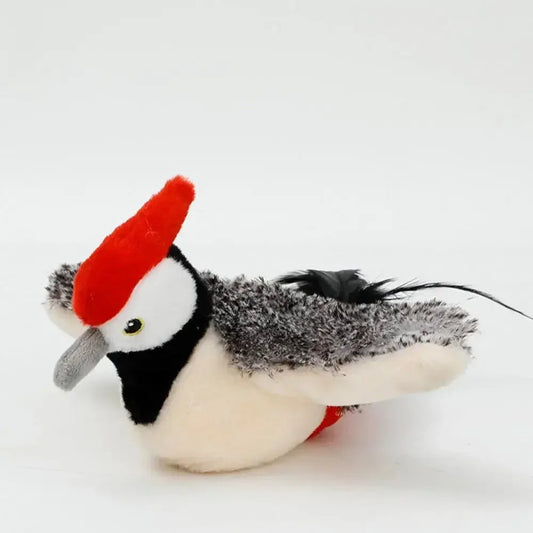
Q5: What kind of toys are best for a cat who likes to hide things? A: Cats who like to hide often enjoy toys that mimic prey, are lightweight, and easy to carry. Think small plush mice, crinkle balls, feathered toys, and even small, soft chew toys. Interactive wand toys are also great as they allow you to engage them in a "hunt" which often ends with them "capturing" and possibly hiding the toy. Our Cat Toys Collection offers a wide variety of engaging, high-quality toys perfect for satisfying these natural instincts.