Table of Contents
- Introduction
- Echoes of the Wild: Hunting Instincts and Prey Drive
- Seeking Connection and Attention: "Look at Me!"
- Maternal Instincts and "Kittens"
- "Something's Wrong!": Communicating Needs and Discomfort
- The Importance of Play and Enrichment
- How We Can Respond: Encouraging Positive Behavior
- Conclusion
- FAQ
Introduction
Imagine this familiar scene: you’re relaxing, perhaps reading a book or scrolling through your phone, when a distinct, plaintive meow echoes through the house. You look up to see your beloved feline companion marching purposefully towards you, a favorite toy clutched firmly in their mouth, continuing their vocal serenade. It’s a curious, often adorable, and sometimes bewildering behavior that leaves many cat parents wondering: what exactly is going on? Is your cat trying to tell you something important, or are they just being their wonderfully quirky selves?
At Skimys, we understand that life with cats is full of these delightful mysteries. Our mission is to make life with pets easier, cleaner, and way more fun, and that includes helping you understand your furry friends better. We believe in offering products that are functional, durable, design-forward, and joyful, avoiding anything overpriced or boring. This very behavior – your cat carrying a toy and meowing – is a perfect example of the rich inner world of felines, often rooted in their natural instincts, their bond with you, or simply a plea for some much-needed engagement.
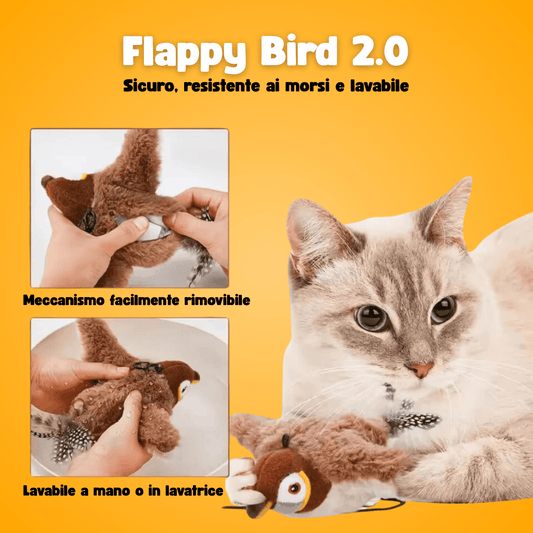
This blog post will dive deep into the fascinating reasons behind why your cat might carry a toy and meow. We'll explore everything from their wild ancestry and hunting instincts to their emotional needs and unique ways of communicating. By the end, you'll have a much clearer picture of what your vocal, toy-toting kitty is trying to convey, and how you can best respond to strengthen your bond and ensure their happiness. And if all this talk of playful antics has you thinking about new ways to engage your cat, remember to explore our Cat Toys Collection, where you'll find a world of enrichment designed to stimulate natural instincts and bring joy to your home.
Echoes of the Wild: Hunting Instincts and Prey Drive
Cats, despite their domesticated lives, are still intrinsically linked to their wild ancestors. They are natural hunters, and many of their behaviors, even with toys, are deeply rooted in this ancient instinct. When your cat carries a toy and meows, they might be tapping into this primal drive in several ways.
The Thrill of the "Hunt" and the "Catch"
For an indoor cat, a beloved toy often serves as a substitute for real prey. The act of stalking, pouncing, and "catching" a toy fulfills a fundamental need. Once the "prey" is caught, a natural follow-up is to transport it to a safe place. This is where the carrying comes in. The meowing could be an expression of their successful hunt, a proud declaration of their prowess. It's their way of saying, "Look what I did! I caught it!"
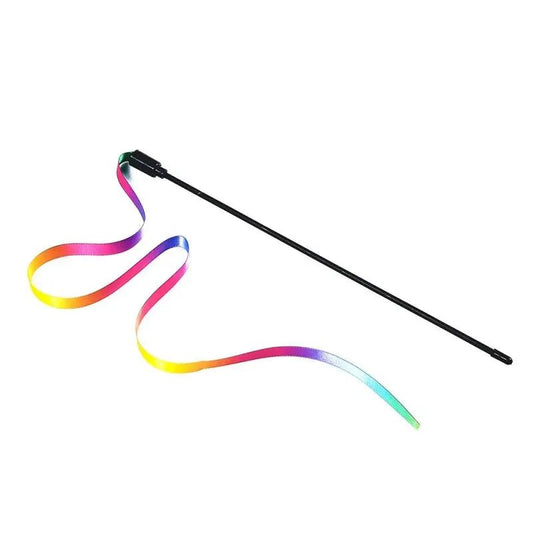
Think of it like a triumphant hunter returning to the den with their prize. For your cat, you are a crucial part of their "pride," and sharing their catch, even if it's just a felt mouse, is a significant gesture. This is a moment to celebrate their natural abilities. Engaging with them by acknowledging their "trophy" can be incredibly rewarding for your cat, validating their efforts. Our Cat Toys Collection offers a variety of toys designed to mimic natural prey, providing ample opportunities for your cat to exercise these innate hunting behaviors safely and joyfully. From feather wands that dart and weave to crinkly balls that simulate rustling prey, we make sure every toy encourages their inner predator.
Mother Cat's Lesson: Teaching the Human "Kitten" to Hunt
Another fascinating theory suggests that your cat might be trying to teach you, their clumsy human companion, how to hunt. Mother cats often bring back stunned or dead prey to their kittens, not just to feed them, but to provide "training opportunities." By presenting you with a toy and meowing, your cat might be attempting to pass on these vital survival skills.
While you're probably quite adept at hunting for your own food (or at least opening a can!), your cat doesn't know that. They see you as part of their family, and if they perceive you as less skilled in the ways of the hunt, they might feel compelled to educate you. The meowing then becomes a form of instruction, a series of urgent vocalizations encouraging you to pay attention to their demonstration. When this happens, a great response is to engage with the toy. Gently bat it, pretend to "catch" it yourself, or even toss it for them to retrieve. This playful interaction not only fulfills their teaching instinct but also strengthens your bond through shared activity.
The "Trophy" Presentation: Seeking Praise and Connection
Sometimes, the act of carrying a toy and meowing is purely a presentation, a desire for your acknowledgment and praise. Cats are often misunderstood as aloof, but they deeply value their relationships with their humans. Bringing you a toy, especially with vocalization, can be a profound sign of affection and trust. They are sharing something important to them, expecting a positive response.
When your cat approaches you with their "trophy" and meows, they are inviting you into their world. This isn't just about play; it's about connection. Taking a moment to appreciate their effort, offer a gentle pet, or even a quiet "good job" can mean the world to them. It reinforces their positive behavior and strengthens the emotional ties between you. At Skimys, we craft toys not just for your cat's amusement but to facilitate these beautiful moments of connection and joy between pets and their parents. Every product we offer is tested by our own pets, ensuring real-world usability and cat-approved durability, so you know you're giving them something truly special.
Seeking Connection and Attention: "Look at Me!"
Beyond primal instincts, your cat's vocalizations while carrying a toy can often be a direct plea for your attention, a desire to engage, or an expression of their emotional state.
The Invitation to Play
One of the most common and delightful reasons your cat carries a toy and meows is a straightforward invitation to play. They've found their "prey," and now they want you to join in the fun. The meow is their way of getting your attention, signaling that they're ready for some interactive playtime.
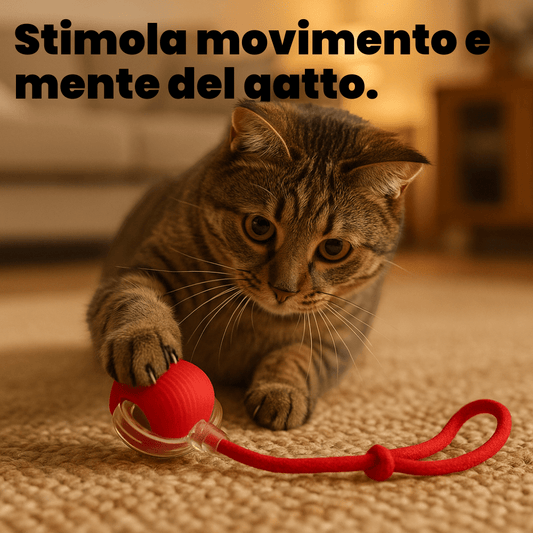
This is particularly true if your cat's meows are bright, chirpy, or enthusiastic, and their body language is open and inviting—perhaps a high tail or a playful crouch. They want you to grab a wand toy, toss a ball, or engage in a vigorous chase. Interactive play is crucial for a cat's physical and mental well-being, helping to burn off energy, reduce boredom, and prevent behavioral issues. A cat parent working from home with a restless kitten, for example, could keep them entertained and engaged throughout the day with interactive toys from our Cat Toys Collection, ensuring they get the stimulation they need. Regular, dedicated play sessions can make a huge difference in your cat's happiness and health.
Addressing Boredom and Loneliness
Cats are intelligent creatures who require mental and physical stimulation. A cat who is frequently left alone, or who doesn't have enough engaging activities, can become bored or even lonely. Carrying a toy and meowing can be a symptom of this. They might be trying to initiate an activity because they're feeling under-stimulated or frustrated by a lack of interaction.
If your cat's meows sound a bit more mournful, persistent, or like a yowl, especially if they wander around the house doing this, it could be a sign that they're feeling a bit lost or neglected. Providing a rich environment with plenty of toys, puzzles, and opportunities for exploration can help. Consider rotating toys to keep things fresh, or investing in puzzle feeders to challenge their minds. For cats who spend a lot of time alone, enrichment is key. Ensure your kitty stays hydrated and happy with our Cat Fountain Collection—a practical, stylish way to keep fresh water flowing all day long, encouraging them to drink more, which is also a crucial part of overall well-being. Keeping them engaged with their environment can often reduce these attention-seeking meows.
Expressing Affection and Trust
While perhaps debatable if cats experience "love" exactly as humans do, they certainly form deep bonds and show affection in their own unique ways. Bringing you a prized possession like a favorite toy, coupled with vocalization, can be a profound expression of their trust and connection with you.
In their world, sharing something valuable is a sign of deep comfort and security. If your cat brings you a toy, especially when other people are around or during quiet moments, they might be singling you out as their most trusted companion. It's a sweet, intimate gesture. Acknowledge it with kindness, a gentle touch, or a soft word. This reinforces the positive association and strengthens the unique bond you share. Every product we design at Skimys, from a durable scratcher to a cozy bed, is crafted with attention to detail and a commitment to pet well-being, enhancing these everyday moments of affection and care.
Maternal Instincts and "Kittens"
This particular reason is one of the most heartwarming, and often leads to the most intense and sustained meowing. For some cats, especially spayed females or those who may have had kittens in the past, their toys become surrogate "kittens."
Nurturing Their "Offspring"
Female cats, even long after they've been spayed or if they've never had a litter, can retain strong maternal instincts. These instincts can be redirected towards their toys. When a cat carries a toy and meows, it can be a "mothering" behavior. The meows often sound like a distinct yowl or a deeply mournful call – similar to the sounds a mother cat would make while moving her kittens to a safer location, or calling to them.
They might carry their "babies" from one "den" to another, perhaps from a high shelf to a cozy bed, or even bring them to you for safekeeping. This behavior is usually accompanied by careful handling of the toy, as if it were fragile. It's an expression of deep care and protection. These cats aren't "sad" or "confused" in a negative sense; they are simply fulfilling a powerful, inherent drive. Providing them with safe, comfortable places to "nest" can be beneficial. Give your feline the comfort they deserve—browse our Cat Beds & Furniture Collection to find the perfect spot for lounging, napping, and recharging. These cozy spaces can provide the ideal "den" for their prized "kittens."
Male Cats and Protective Behavior
While often associated with female cats, some male cats also exhibit similar behaviors. This isn't necessarily a "maternal" instinct in the reproductive sense, but rather a strong protective or bonding instinct. Just as some tomcats are known to be protective of their mates and offspring in the wild, an indoor male cat might develop a similar bond with a favorite toy, treating it as something precious to be guarded and cared for.
Their meows in this context might be a more generalized protective vocalization, or simply a way to draw attention to their important "possession" and ensure its safety. It speaks to the complexity of feline emotions and how deeply they can bond with objects and people in their environment.
"Something's Wrong!": Communicating Needs and Discomfort
While often playful or instinctual, sometimes your cat's toy-carrying and meowing can be a form of communication about a need that isn't being met, or even a sign of discomfort.
The "Broken" Toy or Empty Treat Compartment
Cats can be surprisingly particular about their toys. If a favorite toy that used to crinkle, squeak, or light up suddenly stops working, your cat might bring it to you with insistent meows. It's their way of presenting the problem: "This isn't working anymore! Fix it!" They might drop it at your feet, look expectantly at you, and continue their vocal complaints.
Similarly, if they have a toy designed to hold treats or catnip, and it's empty, they might present it as a silent (or not-so-silent) request for a refill. A hungry or bored cat can be incredibly persistent, and their meowing might grow louder if their "requests" go unheeded. Checking the toy for damage or seeing if it needs a fresh dose of catnip can often solve this mystery quickly. Sometimes, the solution is as simple as offering a new, engaging toy from our Cat Toys Collection to replace one that's past its prime.
General Distress or Anxiety
In some cases, especially if the meowing is loud, repetitive, and sounds distressed or mournful (more like a yowl than a gentle meow), and is combined with other unusual behaviors, it could be a sign of underlying anxiety, stress, or even physical discomfort.
Cats are sensitive to changes in their environment. New pets, a change in routine, moving house, or even subtle shifts in the household dynamic can cause stress. Carrying a comforting toy and vocalizing could be a coping mechanism. If the behavior is new, persistent, or accompanied by other concerning signs (like changes in appetite, litter box habits, or hiding), it's always wise to rule out medical issues. While we can't diagnose, we can help you support your feline’s well-being with essentials from our Cat Health Care Collection. These products are designed to keep your cat feeling their very best every day, offering solutions for preventive care and overall wellness. If you suspect pain or illness, a veterinary visit is always the best course of action.
The Importance of Play and Enrichment
Regardless of the specific reason behind your cat's toy-carrying and meowing, the underlying message often points to a need for engagement, stimulation, and connection. Meeting these needs is fundamental to a cat's happiness and overall well-being.
Mental and Physical Stimulation
Regular play helps keep your cat's mind sharp and their body active. It prevents boredom, which can lead to destructive behaviors, overeating, or lethargy. When a cat is carrying a toy and meowing, they are often signaling a desire for this crucial mental and physical outlet.
Interactive play, in particular, mimics the hunting sequence—stalk, chase, pounce, catch—which is incredibly satisfying for cats. This is why our Cat Toys Collection is curated with a variety of options, from puzzle toys that challenge their minds to feather wands that encourage acrobatic leaps. Providing diverse toys and engaging in regular play sessions can significantly reduce the incidence of attention-seeking meows and enhance your cat's quality of life.
Strengthening the Human-Cat Bond
Shared playtime is one of the most powerful ways to strengthen the bond between you and your cat. When you respond positively to their invitation to play or acknowledge their "trophy," you're building trust and rapport. These moments create positive associations and deepen their sense of security and belonging.
Beyond play, fostering a stimulating environment is key. For example, ensuring they have appropriate outlets for their natural scratching instincts is vital. Give your cat the ultimate playground with our Cat Scratchers & Trees Collection. Perfect for climbing, scratching, and staying active indoors, these products help preserve your furniture while providing essential enrichment. Every interaction, every moment of care, from providing the right accessories to engaging in a play session, contributes to a happier, healthier cat and a more joyful home.
How We Can Respond: Encouraging Positive Behavior
Understanding why your cat carries a toy and meows is the first step; knowing how to respond is the next. Your reaction can reinforce desired behaviors and further strengthen your bond.
Engage Gently and Appropriately
When your cat presents a toy and meows, assess the situation. Is it an invitation to play? If so, grab a wand, toss the toy, and enjoy a few minutes of interactive fun. Is it a "trophy" presentation? Offer praise, a gentle pet, and acknowledge their achievement. If the meows sound distressed, take a moment to understand if there's an unmet need, like an empty catnip pouch or a desire for comfort.
- For Playful Meows: Join the game! Use a wand toy to simulate prey movement, or simply toss the toy a few times.
- For "Trophy" Meows: Offer soft praise, maybe a head rub. You don't always have to take the toy, just acknowledge it.
- For "Maternal" Meows: Provide a quiet, comfortable space where they can "nest" with their toy. Our Cat Beds & Furniture Collection has many cozy options perfect for this.
- For Needs-Based Meows: Check the toy for damage, refill catnip, or ensure their food/water bowls are full.
Remember, consistent positive reinforcement is key. By responding in a way that aligns with their communication, you teach your cat that their vocalizations are effective, and you are a reliable source of interaction and comfort.
Observe Context and Body Language
The meaning behind the meow often lies in the context and your cat's overall body language. A chirpy meow with a high tail and playful stance is different from a low, mournful yowl with a hunched posture. Pay attention to:
- Vocalization: Is it a soft meow, an insistent yowl, a chirrup, or a loud caterwaul?
- Body Posture: Are they playful, tense, relaxed, or agitated?
- Time of Day: Does it happen at a specific time, like at night (when cats are naturally more active) or when you've just come home?
- Frequency: Is it a once-in-a-while occurrence or a persistent daily habit?
These clues can help you decipher the specific message your cat is trying to send. Understanding these nuances makes you a better cat parent and deepens your connection.
Knowing When to Consult a Vet
While most instances of cats carrying toys and meowing are benign and even endearing, it's important to know when to seek professional advice. If the behavior is:
- Sudden and drastic: A significant change in vocalization or toy-carrying habits.
- Accompanied by other concerning symptoms: Changes in appetite, litter box habits, lethargy, aggression, or hiding.
- Indicative of distress: Persistent, loud, mournful yowling that suggests pain or severe anxiety.
In these situations, a visit to the veterinarian is always recommended to rule out any underlying medical conditions. Your vet can provide tailored advice and address any health concerns. Supporting your feline’s well-being is our top priority, and we offer many essentials in our Cat Health Care Collection to help keep your cat feeling their very best every day.
Conclusion
The captivating phenomenon of a cat carrying a toy and meowing is a window into the rich and complex world of our feline companions. Whether it's a proud display of their hunting prowess, a heartfelt invitation to play, a demonstration of deep maternal instincts, or a subtle communication of their needs, this behavior is always a significant interaction. It underscores how deeply our cats value their connection with us and how much they rely on us to understand their unique language.
By paying attention to the nuances of their meows, their body language, and the context of their actions, we can gain invaluable insight into their thoughts and feelings. Responding with empathy, engagement, and consistent positive reinforcement not only nurtures their instincts but also strengthens the incredible bond we share. Every product we offer at Skimys, from an interactive toy to a cozy bed, is designed with pet well-being, quality, and joy in mind, helping you provide the best for your cherished companion.
So, the next time your cat approaches you, toy in mouth, vocalizing their intentions, take a moment to appreciate this special interaction. It’s an opportunity to connect, to play, and to reinforce the love that makes life with cats so uniquely rewarding. Ready to treat your cat to something new? Make every day fun for your feline—shop our Cat Toys Collection now and discover playtime favorites designed for enrichment, durability, and endless joy!
FAQ
Q1: Is it normal for my cat to only carry certain toys and meow with them?
A: Yes, absolutely! Cats often develop strong preferences for particular toys. These might be toys that best mimic prey, are easy to carry, or have a special texture or scent (like catnip). If they are showing maternal instincts, they might consistently choose a specific "kitten" toy. It's completely normal for them to favor certain items when exhibiting this behavior.
Q2: My cat mostly does this at night. Why?
A: Cats are naturally crepuscular or nocturnal, meaning they are most active during dawn, dusk, and nighttime hours. If your cat is carrying toys and meowing primarily at night, it's often a sign of their natural increased energy and hunting drive during these times. They might be trying to initiate play when they're feeling their most energetic, or simply expressing their instincts when the house is quiet. Providing engaging toys, like those in our Cat Toys Collection, and dedicated play sessions before bedtime can help them burn off energy.
Q3: Should I play with my cat every time they bring me a toy and meow?
A: While it's great to engage with your cat, you don't necessarily have to initiate a full play session every single time. Acknowledge their effort with praise, a gentle pet, or a quick toss of the toy. If you're busy, you can gently respond and then redirect their attention to a solo play toy. The key is to acknowledge their communication positively to reinforce your bond, but also to teach them that they can entertain themselves too.
Q4: My cat’s meow sounds distressed when they carry a toy. What does that mean?
A: If the meowing sounds distressed, mournful, or like an urgent yowl, it's important to observe other aspects of their behavior. It could indicate strong maternal instincts, particularly if the toy is being carried carefully to a "nest." However, it could also be a sign of boredom, loneliness, anxiety, or even physical discomfort. If the distressed vocalization is new, persistent, or accompanied by other worrying symptoms, consult your veterinarian to rule out any underlying health issues. Supporting your feline’s well-being with essentials from our Cat Health Care Collection can offer peace of mind and proactive support.
Q5: Can this behavior mean my cat wants a new toy?
A: Potentially, yes! If your cat brings you a toy that appears broken, or if they seem frustrated with it, they might be signaling that it's no longer satisfying their play needs. This is especially true if the toy used to have a feature (like a bell or a crinkle) that's now gone. Offering a similar new toy or rotating their toy collection can often pique their interest and fulfill their desire for novelty and challenge.