Table of Contents
Ever woken up in the quiet pre-dawn hours to a soft thud, only to discover a beloved toy mouse or crinkly ball nestled beside you on the pillow? Or perhaps you've stepped out of the shower to find a favorite feathered wand strategically placed at your feet. This endearing, often puzzling, behavior is a common phenomenon among cat parents, and it’s one of the many delightful quirks that make life with our feline friends so uniquely rewarding. At Skimys, we understand that these little mysteries are part of the joy of cat ownership, and our mission is to make life with pets easier, cleaner, and way more fun. We're here to help you decipher why your furry companion might be treating your sleeping space – or any personal area – as a drop-off point for their most cherished playthings.
In this comprehensive guide, we’ll dive deep into the fascinating world of feline behavior, exploring the ancestral instincts, emotional cues, and even practical reasons behind your cat's toy-delivery service. We’ll uncover how this seemingly simple act is a rich tapestry of communication, affection, and their innate needs. Understanding this behavior not only strengthens your bond but also empowers you to provide an even more enriching environment for your beloved cat. So, let’s unravel the charming riddle of "why does my cat bring toys to bed?" and learn how to respond in ways that nurture their happiness and well-being. Ready to treat your cat to something new? Explore our Cat Toys Collection and discover playtime favorites designed to stimulate natural instincts and bring boundless joy.
Introduction
There’s a unique charm in the unexpected gifts our cats bestow upon us. From a triumphant "meow!" accompanied by a tattered felt mouse, to the silent placement of a sparkly ball at the foot of the bed, these actions speak volumes about our cats' inner worlds. Far from being random acts, bringing toys to their human companions, especially to a safe haven like a bed, is deeply rooted in their biology, psychology, and their unique way of interacting with us. We often wonder, "Is this a gift? Do they want to play? Are they trying to tell me something?" These questions are at the heart of understanding our feline friends better.
Cats, despite their domestication, retain many of the instincts of their wild ancestors. These instincts, combined with their individual personalities and learned behaviors, shape everything from their playful pounces to their peculiar sleeping habits. When your cat brings a toy to your bed, it’s not just a cute gesture; it’s a multifaceted communication that reveals their needs, their trust in you, and even their perception of your role in their "colony." Our purpose with this post is to shed light on these fascinating reasons, providing you with insights from feline behavior experts and practical advice on how to respond. By the end, you'll have a deeper appreciation for your cat's "gifts" and feel more equipped to fulfill their innate desires for enrichment, comfort, and connection. This delightful habit is a clear indicator that your cat trusts and values you, and by understanding it, we can foster an even stronger, more joyful relationship with our furry family members.
The Ancestral Hunter Within: Instinctual Behavior
At the core of many feline behaviors lies the instinct of the hunter. Even the most pampered indoor cat carries the genetic blueprint of a skilled predator. The act of "hunting" and "catching" a toy is a deeply satisfying experience for them, tapping into millennia of evolutionary programming. When your cat brings a toy to your bed, it’s often an extension of this powerful hunting drive.
Simulating the Hunt, Catch, and Kill Sequence
In the wild, a successful hunt culminates in a "kill" and often, the consumption or caching of prey. For our indoor cats, toys become substitutes for real prey. They stalk, pounce, capture, and often carry their "kill" to a safe location. Your bed, imbued with your scent and representing a secure den, is the perfect spot to deposit their prized possession. This isn't necessarily about sharing food, but about completing the hunting sequence. It satisfies a primal need, allowing them to feel accomplished and secure.
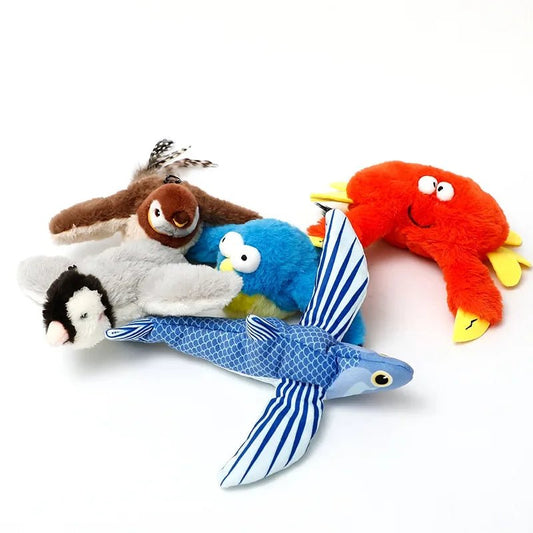
Our Cat Toys Collection is curated with this very instinct in mind. We believe in offering products that are functional and durable, and deeply satisfying for your cat's natural behaviors. From wand toys that mimic erratic prey movements to plush mice that are perfect for a triumphant "carry-off," our selection is tested by our own pets to ensure real-world usability and cat-approved durability. Providing a variety of toys that engage these instincts can significantly reduce boredom and prevent other undesirable behaviors that can arise from an unfulfilled prey drive.
A Safe Place for Their "Prey"
After a successful hunt, a wild cat would typically take their prey to a secluded, safe spot away from potential scavengers or competitors. Your bed, with its elevated position and the strong, comforting scent of your presence, signals ultimate safety to your cat. By bringing their toy here, they are essentially stashing their "kill" in the most secure location they know – a place where they feel safe enough to relax and perhaps return to their "prey" later. This reflects deep trust and a sense of belonging within your shared home.
"Play With Me!" – The Direct Request for Engagement
One of the most common and endearing reasons your cat might bring a toy to your bed, especially in the wee hours of the morning, is a straightforward plea for playtime. Cats are crepuscular, meaning they are most active during dawn and dusk. While you're sound asleep, their internal clocks might be signaling prime hunting time.
Battling Boredom
Cats are intelligent creatures that thrive on mental and physical stimulation. A lack of engaging activity can lead to boredom, which can manifest in various ways, including excessive meowing, destructive behavior, or, yes, bringing you toys. If your cat often drops a toy and then looks expectantly at you, or lets out a soft meow, they’re very likely trying to initiate a game. This is especially true if they play fetch with that particular toy when you are awake.
Responding positively to these requests, even for a short session, can make a huge difference in your cat's happiness and overall well-being. It reinforces their communication and strengthens your bond. We believe that joyful play is essential for a cat's healthy lifestyle, and our products are designed not just for cats, but also for owners to enjoy watching their pets thrive.
Positive Reinforcement in Action
Consider how you might have responded to these "gifts" in the past. If you've ever stirred, given a sleepy pat, or even tossed the toy a little, you've inadvertently reinforced the behavior. Your cat quickly learns that bringing the toy to your bed yields attention, interaction, or a response – all things they crave. This is a classic example of positive reinforcement, and it’s why your cat might continue this charming ritual. They've discovered a reliable method to get your attention and kickstart a play session, especially when they're feeling energetic and you're winding down.
When your cat brings a toy, even if it's 3 AM, take a moment to acknowledge their effort. A gentle stroke and a soft word can go a long way. If you can, dedicate a consistent time each day for active play, which can help regulate their internal clock and satisfy their prey drive during waking hours. Our Cat Toys Collection offers a variety of interactive playthings, from feather wands to laser pointers (remember to end laser play with a tangible "catch"!), ensuring they get the enrichment they need.
A Gift of Affection and Trust
While the hunting instinct is strong, we shouldn’t underestimate the power of affection and trust in the human-animal bond. Your cat’s decision to bring you a toy can also be a profound sign of their love and the deep trust they place in you.
Replicating Maternal Instincts
In the wild, mother cats bring incapacitated or dead prey back to their kittens to teach them how to hunt and eat. While you're certainly not a kitten, your cat might perceive you as part of their family unit, or even as a less-skilled hunter who needs a little help! By bringing you their "kill" (the toy), they could be acting out a protective or teaching role, sharing their bounty with those they care for most. This is a significant gesture of inclusion and care.
Showing You How Important You Are
Cats don't waste their energy on individuals they don't trust or care about. If your cat is consistently bringing you their favorite toys, especially to a personal space like your bed, they are signaling their affection and how important you are to them. They're sharing something valuable to them, trusting you with their prized possession. This demonstrates a deep bond and a comfortable, secure relationship.
We are committed to pet well-being and quality, understanding that these subtle acts of affection are what make the cat-human relationship so special. Cherishing these moments is part of the joy we aim to enhance through our thoughtfully designed products.
The Inspection Crew: "Is My Toy Okay?"
Sometimes, the reason for a toy delivery might be more practical from your cat's perspective. Cats are observant creatures, and if a favorite toy seems "off" in some way, they might bring it to you for inspection or "repair."
When a Toy Needs Attention
Has the toy seen better days? Is there a loose string, a missing feather, or is some stuffing coming out? Your cat might bring it to you as if to say, "Hey, this isn't working right! Can you fix it?" Their acute senses can detect subtle changes in their toys that we might miss. This is especially true for toys that are designed for active play and might experience wear and tear.
This also highlights an important safety consideration: regularly inspect your cat's toys for damage. Loose parts, string, or small pieces can be choking hazards or cause internal blockages if ingested. If a toy is damaged, it’s best to replace it. Our commitment to quality means our toys are designed to be durable, but continuous enthusiastic play means eventual wear. We always prioritize safety and recommend supervising play, especially with toys that have smaller components. Our Cat Toys Collection features high-quality, pet-tested materials that withstand daily play, but nothing lasts forever against a determined feline!
Marking Territory and Seeking Comfort
Beyond hunting and affection, the act of bringing a toy to bed can also be linked to a cat's need for security and territorial marking.
Scent Marking for Security
Cats are territorial animals, and they use scent to mark their possessions and areas. When your cat repeatedly brings a toy to your bed, they might be marking it with their scent, intertwining it with yours. This creates a strong sense of security and ownership over that space and the object itself. The toy, now infused with their familiar scent, acts as a comforting object, reducing stress and helping them feel safe and content in their sleeping area. This is a subtle yet significant way for them to reinforce their presence and comfort in their environment.
A Familiar Comfort Object
Just like a child might carry a favorite blanket or stuffed animal, a cat can develop an attachment to certain toys as comfort objects. Bringing this object to their chosen sleeping spot, especially one as secure and comforting as your bed, can be a self-soothing behavior. It provides a sense of familiarity and reassurance, helping them to relax and feel secure, particularly during the night when the house might be quiet and still. Creating an environment where your cat feels secure and has designated comfortable spaces is vital for their well-being. This is where our Cat Beds & Furniture Collection comes into play, offering cozy, stylish spots for lounging, napping, and recharging that promote a sense of security and belonging.
Nurturing Your Cat's Natural Instincts: How to Respond
Understanding why your cat brings toys to bed is the first step; knowing how to respond is equally important for fostering a happy, healthy cat. The goal is to acknowledge their communication and redirect their energy in positive, enriching ways.
1. Engage in Regular Interactive Play
The most direct way to address the "play with me" aspect is to provide consistent, engaging play sessions. Aim for at least one to two 10-15 minute sessions daily, ideally around dawn and dusk to align with their natural crepuscular rhythms.
- Mimic Prey: Use wand toys to simulate the unpredictable movements of small prey. Let them stalk, pounce, and "capture" the toy at the end of the session.
- The "Hunt, Catch, Kill" Sequence: Always allow your cat to "catch" the toy at the end of a play session. This provides a sense of satisfaction and completion to their predatory cycle. Follow it up with a small treat or meal to truly seal the deal.
- Rotate Toys: Keep playtime fresh by rotating toys. Don't leave all toys out all the time; bring out different ones for different sessions to maintain novelty and interest. Our Cat Toys Collection offers a wide variety of enrichment options, ensuring your cat never gets bored.
2. Provide Mental Stimulation with Puzzle Toys
For independent play and to satisfy their foraging instincts, puzzle toys are excellent. These toys require your cat to "work" for a treat or dry food, stimulating their minds and keeping them engaged. This helps prevent boredom, especially when you're not available to play.
3. Create an Enriched Environment
A stimulating home environment is crucial for an indoor cat's well-being.
- Vertical Space: Cats love to climb and observe from high vantage points. Providing cat trees, shelves, or window perches allows them to express natural behaviors and feel secure. Give your cat the ultimate playground with our Cat Scratchers & Trees Collection. Perfect for climbing, scratching, and staying active indoors, these options help fulfill their need for vertical exploration and provide designated scratching areas, protecting your furniture.
- Scratching Posts: Offer a variety of scratching surfaces (vertical, horizontal, cardboard, sisal) to satisfy their urge to scratch, stretch, and mark their territory.
- Observation Opportunities: Window perches allow them to watch the outside world, providing endless entertainment and mental stimulation.
4. Hydration and Health: The Foundation of Well-being
While not directly related to toy-bringing, a cat's overall health and well-being are paramount. Ensuring they have access to fresh, flowing water can encourage hydration, which is vital for their organ health. Cats are often reluctant drinkers from still water.
- Cat Fountains: Many cats prefer drinking from moving water, which taps into their instinct to drink from fresh, natural sources. A cat fountain can significantly increase their water intake. Ensure your kitty stays hydrated and happy with our [Cat Fountain Collection](https://skimys.com/collections/cat-fountain]—a practical, stylish way to keep fresh water flowing all day long and contribute to their long-term health.
- Grooming: Regular grooming, especially for long-haired cats, not only keeps their coat healthy but also serves as a bonding experience. Keep your cat’s coat shiny and healthy with tools from our Cat Brushes & Grooming Collection. Grooming doesn’t just improve appearance—it strengthens your bond too, fostering a sense of comfort and care.
5. Safe Toy Management
Always prioritize safety. Regularly check toys for damage and discard any that are broken or have loose parts that could be ingested. Be particularly wary of string, yarn, or ribbons, as these can cause severe intestinal problems if swallowed. We rigorously test our products with our own pets to ensure they meet our high standards for durability and safety, but owner vigilance is always key.
6. Do Not Scold (Especially for Real Prey)
If your cat ever brings you a real mouse or other small creature, resist the urge to scold them. From their perspective, they are bringing you a gift or demonstrating their hunting prowess. Instead, acknowledge their effort calmly and then discreetly remove the "gift." Punishing them for instinctual behavior will only confuse them and could damage your bond. Focus on providing ample hunting opportunities with appropriate toys indoors to satisfy this drive.
Conclusion
The delightful habit of your cat bringing toys to your bed is a window into their complex, loving, and instinct-driven world. It's a charming blend of their ancestral hunting instincts, a direct plea for interaction, a heartfelt expression of affection and trust, a practical request for toy inspection, and even a way to mark their territory and find comfort. By understanding the multifaceted reasons behind this endearing behavior, we can deepen our connection with our feline companions and ensure we're meeting their needs in the most fulfilling ways.
At Skimys, we are passionate about enhancing the lives of cats and their parents. Every product we offer, from our engaging toys to our cozy beds, is designed with pet well-being, quality, and joy in mind. We believe in providing solutions that are functional, durable, design-forward, and joyful, transforming everyday moments into opportunities for enrichment and bonding.
So, the next time your cat presents you with a toy on your bed, you'll know it's more than just a playful gesture. It's a communication, a display of trust, and a testament to the unique bond you share. Embrace these moments, engage with your cat, and revel in the joyous mystery of their fascinating personalities. Are you ready to enrich your cat’s life with high-quality, cat-approved fun? Make every day fun for your feline—shop our Cat Toys Collection now and discover the perfect playtime companions!
FAQ
Q1: Why does my cat only bring certain toys to my bed? A1: Cats often have a favorite toy that they form a stronger bond with, much like a comfort object. This particular toy might be the one they associate most with successful "hunts" or the one they feel most secure with. Bringing it to your bed, a place of ultimate safety, shows deep trust and attachment to both the toy and you. It could also be the toy they find most satisfying for the "hunt, catch, kill" sequence.
Q2: My cat brings toys to my bed but doesn't want to play. Why? A2: If your cat brings a toy but doesn't seem interested in playing, it could be for other reasons. They might be stashing their "prey" in a safe spot, showing affection and sharing their "bounty," or seeking comfort by bringing a scent-marked object to a secure location. Observe their body language; if they curl up with the toy or simply leave it and walk away, it's likely not an invitation to play, but rather a display of trust or a self-soothing behavior.
Q3: Is it bad if my cat brings toys to my bed? Should I discourage it? A3: Generally, no, it's not bad, and you don't necessarily need to discourage it. This behavior is a natural expression of your cat's instincts, affection, and needs. As long as the toys are clean and safe, consider it a charming part of your cat's personality and a sign of their trust and comfort in your home. Instead of discouraging the act itself, focus on providing consistent playtime during appropriate hours and a stimulating environment to meet their needs.
Q4: How can I encourage my cat to play more independently during the day if they're constantly bringing me toys for attention? A4: To foster independent play, invest in puzzle toys that dispense treats, offer varied scratching posts, and provide vertical climbing structures like cat trees. Rotate their toys regularly to keep things interesting, and create "hunting" games by hiding treats around the house. Also, ensure you have dedicated interactive play sessions with them daily to satisfy their social and predatory needs, which can reduce their demand for your attention at other times. Our Cat Toys Collection offers a wide array of options for both interactive and independent play.
Q5: My cat meows loudly when bringing toys to bed. What does this mean? A5: A loud meow accompanying a toy delivery is almost certainly your cat trying to get your attention and initiate play. They're making sure you notice their "gift" and are ready to engage. This often happens at night or early morning when their natural crepuscular instincts kick in. While it can be disruptive, it's a clear sign they want interaction. Try to provide a consistent, vigorous play session before bedtime to help them release energy and potentially reduce these nighttime requests.