Table of Contents
- Introduction
- Understanding the Feline Hunter Within
- The Many Layers of "Playing" with Prey
- From Live Prey to Playtime Fun: Redirecting Instincts
- The "Bring-Home" Mystery: Why Cats Don't Always Eat Their Catch
- Enriching Your Cat's Indoor Life: A Skimys Approach
- The Role of Diet and Hydration
- Skimys' Commitment to Joyful Cat Living
- Conclusion
- FAQ
Introduction
Have you ever watched your beloved feline companion bat around a crinkly toy mouse, toss it in the air, pounce on it, then let it "escape" only to recapture it with ferocious precision? It might seem like a whimsical, almost mischievous game. For centuries, humans have observed this intriguing behavior, often wondering: why do cats toy with their prey, whether real or imagined? Is it cruelty, boredom, or something deeper woven into their very DNA? At Skimys, we understand that these moments of playful predation are not just adorable quirks; they're vital expressions of your cat's ancient instincts, essential for their physical and mental well-being.
This blog post will delve deep into the fascinating world of feline predatory play. We’ll explore the scientific reasons behind this behavior, from survival mechanisms in the wild to the subtle ways domestication has shaped their hunting instincts. We’ll uncover why cats sometimes seem to play with their catch rather than immediately consuming it, and how this behavior manifests even when they’re simply interacting with their favorite toy. Most importantly, we'll discuss how understanding these natural drives allows us, as devoted cat parents, to provide the best possible enrichment for our furry friends. By mimicking these instincts through thoughtful play, we can foster a happier, healthier, and more engaged life for our cats, preventing boredom and encouraging their natural prowess. Ready to treat your cat to something new and embrace their inner hunter? Explore our Cat Toys Collection and discover playtime favorites designed to stimulate their natural instincts.
Understanding the Feline Hunter Within
Even though your cat might spend their days napping in sunbeams, demanding head scratches, and purring contentedly on your lap, make no mistake: underneath that soft fur lies a finely tuned hunting machine. Cats are obligate carnivores, meaning their biology is built for hunting and consuming meat. This predatory nature isn't just a dietary preference; it’s a fundamental aspect of their being, deeply rooted in their evolutionary history.
Unlike many domesticated animals, cats are relatively "new" to the domesticated world. While they’ve cohabitated with humans for thousands of years, true selective breeding and intentional domestication only became widespread in the last couple of centuries. This means that our modern house cats retain a remarkable amount of their wild ancestors' instincts. They haven't had generations of breeding to dilute their innate drive to stalk, chase, pounce, and capture. This evolutionary blueprint dictates much of their behavior, including why they play with their prey.
For wild felines, hunting isn't just about catching dinner; it's a complex, energy-intensive process requiring skill, strategy, and precision. Kittens learn these vital skills through vigorous play with their littermates, mimicking stalking, grappling, and the all-important pounce. As they grow, this "play" becomes practice for real-world survival. Even well-fed domestic cats feel this innate drive to hunt, a powerful urge that needs an outlet. This is why we, at Skimys, are so passionate about creating products that aren't just aesthetically pleasing, but deeply functional, tapping into these very instincts to provide enriching experiences. Our mission is to make life with pets easier, cleaner, and way more fun, and that includes respecting and nurturing their natural behaviors.
The Many Layers of "Playing" with Prey
When we observe a cat "playing" with a mouse, bird, or even a favored toy, it can sometimes look like a cruel game. However, it's crucial to understand that this behavior is almost certainly not done out of malice. Instead, it's a complex survival mechanism and a reflection of their intrinsic needs. There are several key reasons why cats engage in this intricate dance with their prey:
Survival Mechanism, Not Malice
It’s easy for humans to project our emotions onto animals, but a cat’s "play" with prey is not about cruelty. It's about efficiency, safety, and honing skills. Their actions are driven by instinct, honed over millennia for survival in the wild. Our products, like those in our Cat Toys Collection, are designed to channel these instincts into safe, stimulating indoor play, providing an outlet that respects their natural inclinations without causing harm.
Prey Assessment & Health Check
One theory suggests that cats play with their prey to assess its health. If a mouse is lethargic and slow to respond, it might be sick or poisoned, making it a potentially unsafe meal. A quick, agile, and reactive creature, however, is a sign of healthy prey. By batting at it, releasing it, and observing its movements, the cat gathers vital information, reducing the risk of consuming something harmful. This initial "play" is a critical reconnaissance mission.
Tiring Out Prey for Safety
Perhaps the most widely accepted and practical reason for "toying" with prey is to exhaust it. Catching and killing prey, especially larger or more aggressive animals like rats or certain birds, can be risky for a cat. A desperate animal can inflict nasty bites or scratches, which can lead to injury, infection, or even render the cat unable to hunt for its next meal. By repeatedly releasing, chasing, and batting their prey, cats gradually wear it down, making it weaker and less likely to fight back effectively. This allows the cat to deliver the fatal bite—typically to the back of the neck to sever the spinal cord—with minimal risk to themselves. Research even supports this, showing that cats tend to play with larger prey for longer periods, suggesting the increased effort needed to tire them out.
Honing Hunting Skills
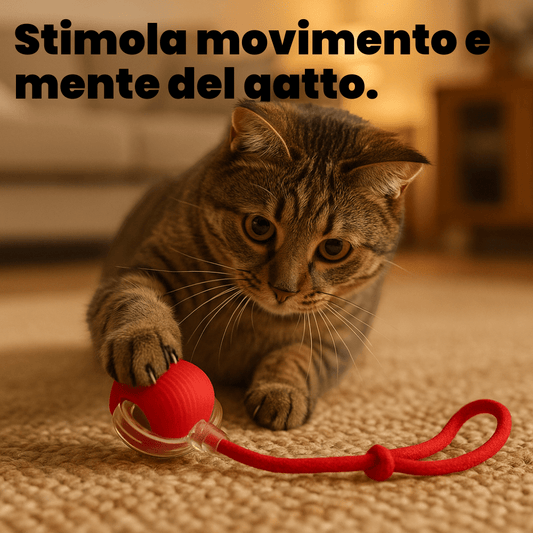
For kittens, every interaction with a moving object is a learning opportunity. Batting, pouncing, stalking, and ambushing are all motor patterns that develop into full-fledged hunting skills. Even adult cats benefit from this "practice." It keeps their reflexes sharp, their muscles toned, and their minds engaged. When they "play" with a live animal, they are essentially running through a complex training exercise. This is why we place such importance on interactive toys that mimic the erratic movements of real prey, providing an engaging and challenging experience that helps keep your cat mentally stimulated and physically fit.
Maximizing Enjoyment & Extending Play
Sometimes, especially for domestic cats who aren't hunting out of necessity, the "game" itself becomes the reward. The thrill of the chase, the successful capture, and the subsequent "play" can be intensely satisfying. If a cat makes a swift, decisive kill, the game ends abruptly. By releasing and re-catching their prey, they extend the enjoyment of the hunt, maximizing the stimulation they get from the experience. It's not about being cruel; it's about prolonging the most exciting part of their natural behavioral repertoire. For many domestic cats, this is where their hunting instinct intersects with pure play. They don't need the food, but they crave the thrill.
Lack of Killing Instruction in Domestic Cats
Another intriguing theory suggests that domestic cats, particularly those raised solely indoors without exposure to a hunting mother, might not fully learn how to deliver the fatal blow efficiently. In the wild, a mother cat might bring live or incapacitated prey back to her kittens and demonstrate how to make the kill. Without this direct instruction, some domestic cats might prolong the interaction with prey as they instinctively try to figure out how to finish the job. They have the instinct to hunt and catch, but perhaps not always the learned technique for the final act.
From Live Prey to Playtime Fun: Redirecting Instincts
Understanding these deep-seated predatory instincts is key to providing a fulfilling life for our indoor cats. Since our domestic companions don't typically need to hunt for survival, their natural drives often manifest as play. This "play aggression" is a critical part of their development and well-being. By engaging in predatory games, cats acquire cognitive and motor skills, stay physically active, and reduce stress.
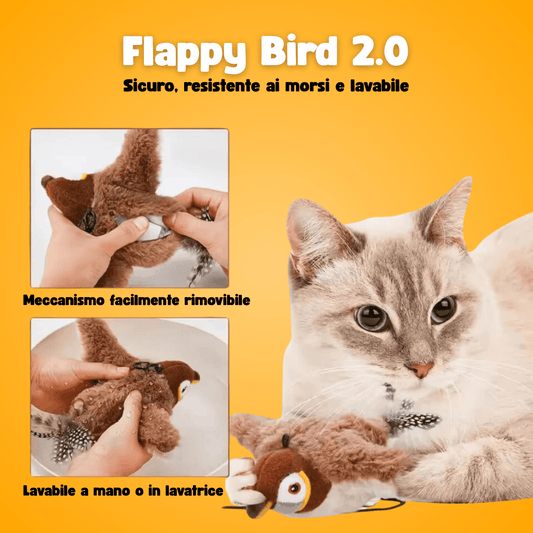
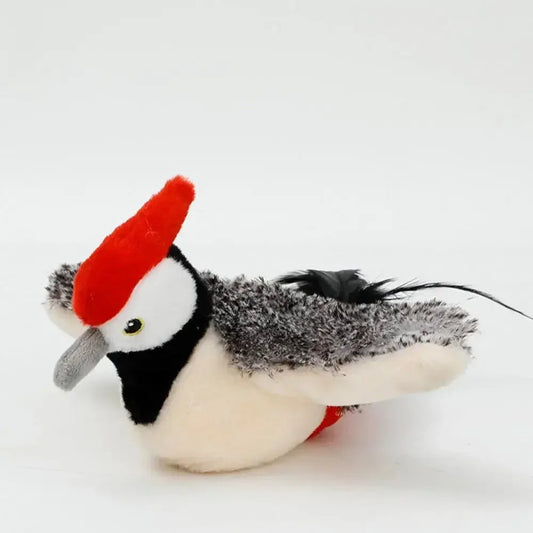
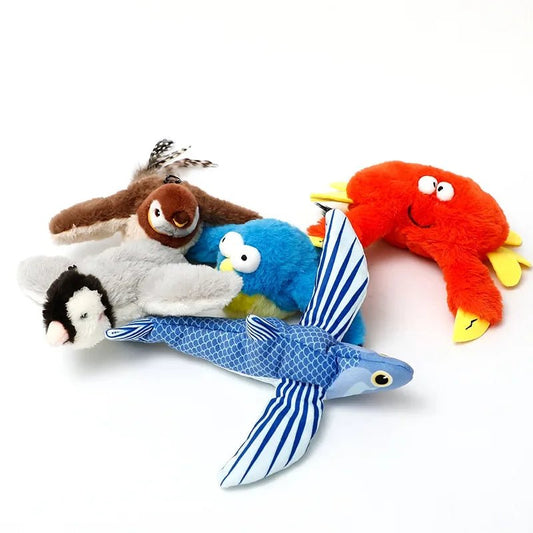
The good news is that we can easily provide healthy outlets for these instincts right in our homes. This is where Skimys truly shines. Our collection of toys is specifically designed to mimic the unpredictable movements and textures of real prey, stimulating your cat’s natural urge to stalk, chase, pounce, and capture. We offer a variety of options, from feathered wands that dart and flutter like birds to small, crinkly mice that invite a vigorous hunt. Each product is pet-tested, ensuring real-world usability and cat-approved durability because we believe in offering products that are functional, durable, design-forward, and joyful, while avoiding overpriced or boring options.
Consider a cat parent working from home with a restless kitten. Interactive toys from our Cat Toys Collection become indispensable. A feather wand can transform a dull afternoon into an exciting safari, allowing the kitten to practice their pouncing skills without disrupting their owner's workflow. For solo entertainment, puzzle feeders or durable chew toys can engage their minds and satisfy their chewing instincts. These experiences aren't just fun; they're crucial for your cat's overall health and happiness, redirecting potentially destructive behaviors into positive, enriching play.
The "Bring-Home" Mystery: Why Cats Don't Always Eat Their Catch
Many cat owners have woken up to the unsettling "gift" of a deceased mouse or bird left on their doorstep or, even more curiously, inside a food or water bowl. While it might seem baffling, this behavior is also deeply rooted in feline instinct.
Opportunistic Hunters & Stockpiling
Wild cats are opportunistic hunters, meaning they will catch prey whenever the chance arises, even if they aren't immediately hungry. This "stocking up" behavior is a survival strategy, ensuring they have food to return to later should prey become scarce. So, a cat bringing home a kill might be storing it for a future meal.
Presenting Gifts to the "Colony"
Another popular theory is that your cat sees you as part of their "colony" or family unit. By bringing home prey, they might be sharing their successful hunt with you, much like a mother cat brings food back for her kittens. It's a sign of affection and an attempt to provide for their loved ones, however messy it might seem to us. Some even suggest they might be trying to "teach" you how to hunt, viewing you as an unskilled but beloved member of the pride.
The Food Bowl as a Safe Haven for "Prey"
When a toy or real prey ends up in a food or water bowl, it's often an extension of these same instincts. For a cat, their food bowl is a deeply secure, familiar place associated with sustenance and safety.
- Hiding Prey: In the wild, cats hide their kills from scavengers. The food bowl, a central and important location, becomes an ideal spot to "hide" their treasured toy or kill, protecting it from perceived threats (even if it's just the vacuum cleaner!).
- Saving for Later: Just as they might stockpile actual prey, a cat might "save" a favorite toy in their bowl for later play, viewing it as a precious resource.
- Cleaning Instincts: Some wild cats "drown" their prey to clean it or make it less dangerous. Dropping a toy in a water bowl could be a domesticated echo of this behavior.
Ensuring your kitty stays hydrated and happy is another crucial aspect of their well-being, and a clean, safe water source can become a part of their daily routine for various reasons. Explore our Cat Fountain Collection for a practical, stylish way to keep fresh water flowing all day long, providing an appealing and instinct-friendly hydration solution.
Enriching Your Cat's Indoor Life: A Skimys Approach
As responsible cat parents, we often face the dilemma of balancing our cat's natural instincts with their safety and the well-being of local wildlife. Many choose to keep their cats indoors, which protects them from traffic, predators, and disease, and significantly reduces their impact on bird and small mammal populations. However, an indoor life requires conscious effort to ensure their innate hunting drives and needs for stimulation are met. This is where Skimys steps in, offering thoughtful, design-forward solutions.
The Importance of Structured Play Sessions
To truly satisfy your cat's hunting instincts, consistency and variety are key. Instead of one long, exhausting play session, aim for short, frequent bursts of play throughout the day. This mimics the natural hunting patterns of cats, who typically make many small hunts daily. About 10-15 minutes, two to three times a day, can make a significant difference.
During these sessions, think like a cat’s prey. Make toys dart, hide, and re-emerge unpredictably. Allow your cat to "catch" the toy frequently enough to feel successful, but don't make it too easy, as a cat that catches its "prey" every time soon gets bored. A success rate of one capture for every three to six attempts generally maximizes their interest. Always end the play session with a successful "kill" – let your cat capture the toy, reinforcing their hunting prowess. This is also a perfect time to transition to a meal, further mimicking the hunt-eat cycle. Make every day fun for your feline—shop our Cat Toys Collection now.
Beyond Toys: Creating a Stimulating Environment
While toys are fundamental, a truly enriching indoor environment goes further. Cats need spaces to climb, perch, observe, and scratch.
- Climbing and Perching: High vantage points satisfy a cat's instinct to survey their territory and feel secure. Cat trees and elevated shelves offer both physical exercise and mental stimulation.
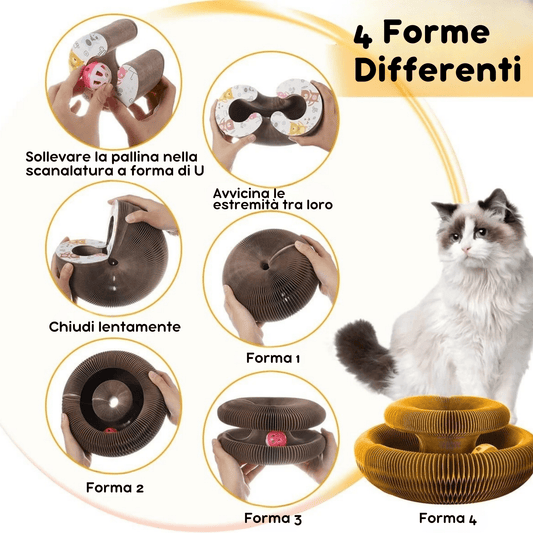
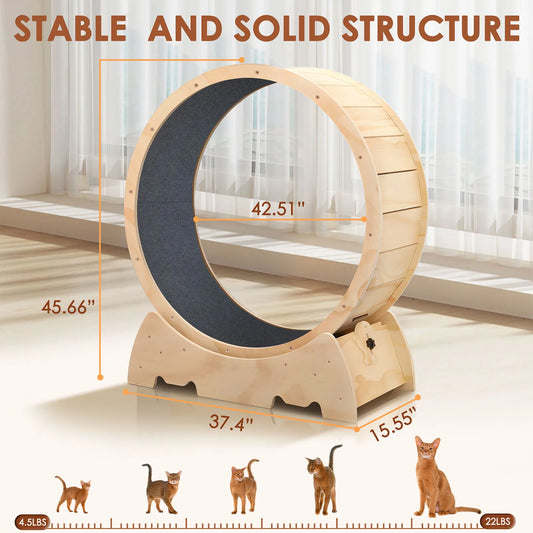
- Scratching: This isn't just about sharpening claws; it's a vital part of marking territory, stretching muscles, and relieving stress. Providing a variety of scratching surfaces (vertical, horizontal, cardboard, sisal) encourages appropriate scratching behavior and saves your furniture. Give your cat the ultimate playground with our Cat Scratchers & Trees Collection. Perfect for climbing, scratching, and staying active indoors, these essentials cater to their natural needs while protecting your home.
- Safe Retreats: Cats need cozy, secure places to rest and recharge. A soft bed in a quiet corner or a cat cave can provide a sense of security and comfort. These spaces allow them to feel safe after a strenuous "hunt" or simply enjoy a peaceful nap.
At Skimys, every product we offer is tested by our own pets, ensuring real-world usability and cat-approved durability. We are committed to pet well-being, quality, customer care, and attention to detail, from product design to packaging and service. Our approach ensures that we provide cat parents with fun, engaging, and practical solutions that make life with their feline companions easier, cleaner, and more enjoyable.
The Role of Diet and Hydration
While play and environmental enrichment are crucial for satisfying hunting instincts, diet and hydration also play a significant role in your cat's overall well-being and can even influence their drive to hunt.
High-Quality, Meat-Rich Diet
Domestic cats are obligate carnivores, meaning their bodies are designed to derive nutrients primarily from meat. If a cat's diet is lacking in the essential micronutrients found in a high-quality, meat-rich food, they may feel a stronger drive to hunt for actual prey, even if they appear full. Ensuring your cat receives a balanced, appropriate diet can help reduce the nutritional need for hunting, allowing the behavior to be more about instinctual play than sustenance. It's about feeding their body what it truly needs, which in turn supports a healthier expression of their natural behaviors.
Importance of Hydration
Hydration is often overlooked but is fundamental to a cat's health. In the wild, cats get a significant portion of their water intake from their prey. Domestic cats, especially those on dry kibble diets, often don't drink enough water, which can lead to various health issues. Providing fresh, appealing water sources can encourage better hydration. Many cats prefer moving water, which taps into their instinctual avoidance of stagnant water that might be contaminated. A well-hydrated cat is generally a healthier cat, with better energy levels for play and a stronger immune system.
Ensuring optimal hydration is part of holistic feline wellness. Hydrated cats are more alert and more able to engage in vigorous play sessions. Providing an attractive water source can make a big difference. Check out our Cat Fountain Collection to keep fresh, filtered water readily available, promoting better drinking habits and supporting your cat's overall health.
Skimys' Commitment to Joyful Cat Living
At Skimys, our mission extends beyond just selling pet products. We are deeply committed to enhancing the relationship between cats and their humans by providing solutions that are not only practical but also deeply enriching. We believe that understanding and respecting your cat's natural instincts, like their drive to toy with prey, is fundamental to their happiness.
Our products are meticulously designed to support these instincts. From interactive toys that mimic the unpredictable movements of natural prey to durable scratchers and cozy beds that provide security and comfort, every item in our collection is crafted with pet well-being, quality, and attention to detail in mind. We want to help you create an environment where your cat can thrive, express their true feline nature, and experience joy every day. We avoid overpriced or boring options, focusing instead on items that truly make a difference in your cat's life and, by extension, yours.
We are cat parents ourselves, and every product undergoes rigorous testing by our own furry companions, ensuring they meet the high standards of durability, safety, and engagement that we promise. Our commitment to customer care means we're here to help you navigate the world of cat parenting, offering products that foster enrichment, reduce boredom, encourage natural instincts, and create joyful bonding moments.
Conclusion
The intricate dance of "toying with prey" is one of the most compelling displays of your cat's wild heritage. Far from being a cruel game, it’s a sophisticated blend of survival instinct, skill development, and pure predatory joy. By understanding why cats exhibit this behavior – from assessing prey health and preventing injury to honing their hunting prowess and simply extending the thrill of the chase – we can better appreciate the complex creatures sharing our homes.
As cat parents, our role is to provide safe, stimulating outlets for these innate drives. High-quality interactive toys, a rich and varied environment, proper diet, and adequate hydration all contribute to a balanced and happy cat. By embracing their inner hunter through thoughtful play, we not only satisfy their natural instincts but also strengthen the bond we share, making life with our feline companions easier, cleaner, and way more fun.
Don't just observe their instincts; empower them! Give your cat the enriching experiences they deserve and watch them thrive. Ready to truly engage your cat's primal play drive? Explore our Cat Toys Collection today and bring home the joy of the hunt, safely and playfully.
FAQ
Q1: Is it cruel for cats to "play" with their prey?
A1: From a human perspective, it can appear cruel, but it's important to understand that cats are driven by instinct, not malice. Their "play" with prey is typically a survival mechanism to tire out the prey, reduce the risk of injury to themselves, and assess the prey's health before making a kill. For domestic cats, it can also be a way to prolong the stimulating aspects of the hunt when they don't need to kill for food.
Q2: How can I satisfy my indoor cat's hunting instincts?
A2: Provide a variety of engaging cat toys that mimic prey (feathers, crinkly balls, laser pointers, remote-controlled mice). Engage in regular, short, interactive play sessions where you mimic natural prey behavior (hiding, darting, allowing "captures"). Offer puzzle feeders and enrich their environment with climbing structures, scratching posts from our Cat Scratchers & Trees Collection, and safe hiding spots.
Q3: Why does my cat bring me dead prey or put toys in their food bowl?
A3: Bringing you dead prey is often seen as a "gift," a way for your cat to share their hunting success with their perceived family unit (you). It can also be a way of "stockpiling" food for later. When cats put toys in their food or water bowls, it's often because they view these bowls as safe, central locations to "hide" or "save" their treasured "prey" for later.
Q4: Does feeding my cat more prevent them from hunting?
A4: While a well-fed cat may hunt less for sustenance, their innate hunting drive is still powerful and needs an outlet. Ensuring your cat has a high-quality, meat-rich diet can reduce the nutritional imperative to hunt, but it won't eliminate the instinct. Providing ample playtime and environmental enrichment is crucial to satisfy this drive, regardless of hunger levels.
Q5: What kind of toys are best for encouraging natural hunting behavior?
A5: Look for toys that encourage stalking, pouncing, chasing, and batting. Interactive wand toys with feathers, ribbons, or small plush attachments are excellent. Crinkly balls, lightweight toy mice, and even puzzle toys that dispense treats can also be very engaging. The key is variety and toys that mimic unpredictable movements. Explore our full range in the Cat Toys Collection for the perfect options.
Q6: How does hydration relate to my cat's overall well-being and play?
A6: Proper hydration is vital for all bodily functions, including maintaining energy levels for play and a healthy immune system. Cats are instinctively drawn to fresh, moving water. Providing an appealing water source, like those in our Cat Fountain Collection, can encourage them to drink more, supporting their health and ensuring they have the vitality for active, engaged play.